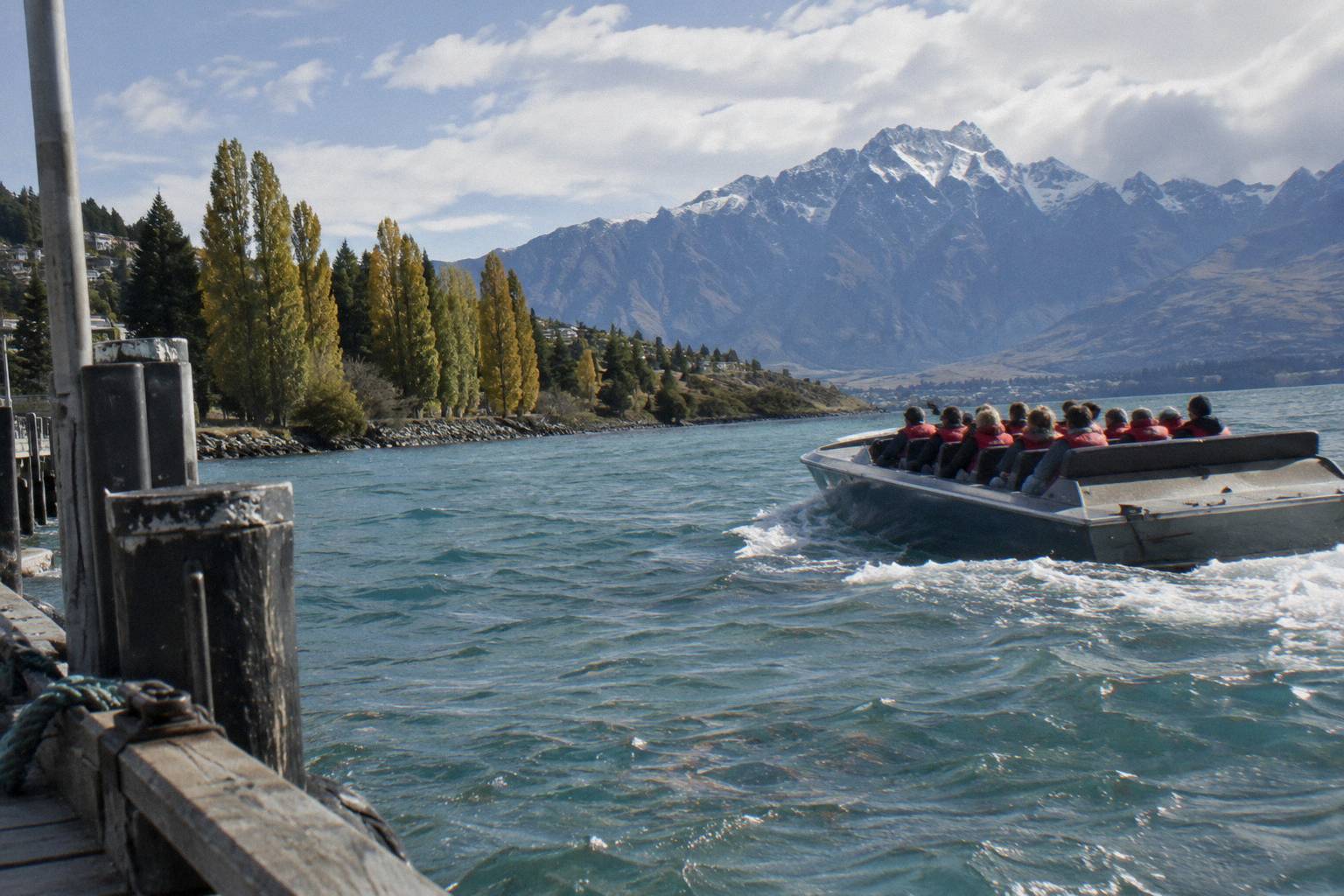
Jet Boating In New Zealand: Where It Began And Which Jet Boat Rides Run On The Kawarau Today
Jet boating in New Zealand traces back to the Hamilton jet engine of the mid-1950s and, on the Kawarau, to a claim by KJet that its business began in 1958. What follows sets out what is actually verified, who says what, and which rides run on the river now.
Short answer
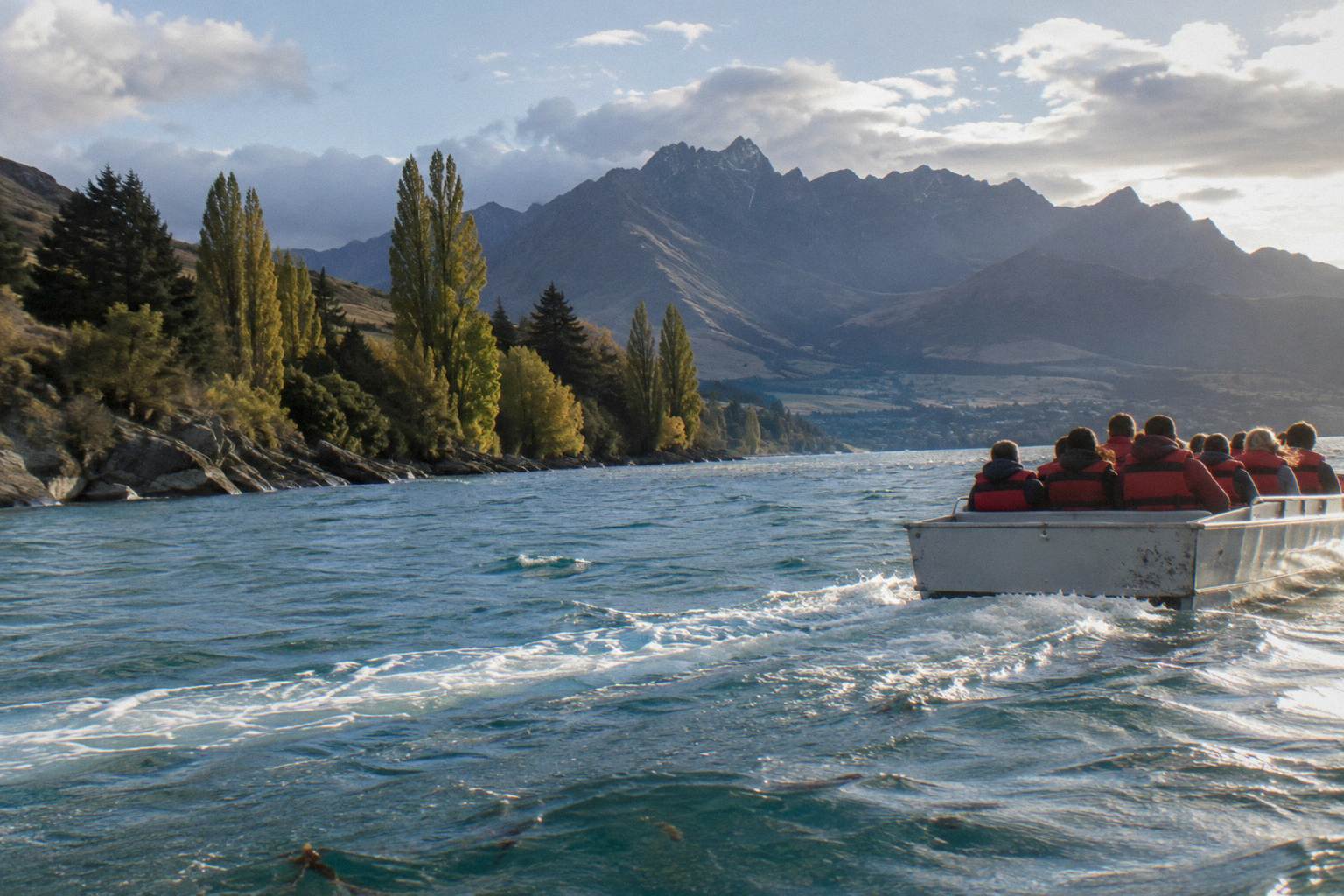
Jet boating in New Zealand began with the Hamilton jet, an engine developed by Sir William Hamilton in the mid-1950s for shallow rivers. On the Kawarau, KJet says its business was born in 1958 and describes itself as the world's first commercial jet boat operator, a claim no independent source confirms. Today four operators run jet boat products from Queenstown.
Jet boats are as tied to New Zealand as bungy jumping and baches, and the Kawarau River, running out of Lake Wakatipu towards the gorge, sits at the centre of the story. But a lot of what circulates about "the world's first jet boat ride" is operator marketing repeated as fact. What follows separates what independent sources verify from what operators say about themselves, then lists the jet boat rides that actually run on the Kawarau and neighbouring waterways today, with the prices and ratings that stand up to checking.
Where Did Jet Boating In New Zealand Begin?
Jet boating in New Zealand began with the Hamilton jet, a water-jet propulsion unit credited to Sir William Hamilton in the mid-1950s and designed for shallow, gravel-bedded rivers that a propeller boat could not run. Commercial jet boating on the Kawarau followed, and KJet says its business was born in 1958, though no independent source confirms that date or its "world's first" claim.
The technology came first, and it is the one part of the origin story that independent sources support. Wikipedia's jet boat page credits Sir William Hamilton with inventing the Hamilton jet in the mid-1950s, specifically so boats could travel shallow rivers where a propeller would strike the bed. That invention matters here because the Kawarau is exactly that kind of river: a braided, gravel-loaded waterway draining the Frankton Arm of Lake Wakatipu toward the Clutha system.
The commercial chapter is murkier. KJet says Kawarau Jet Services, now trading as KJet, was born in 1958, and that Alan and Harold Melhop, with trustees of the Lakeland Christian camp, made the first jet-powered navigation of the Kawarau Falls dam in a Hamilton Jet. KJet describes itself as the world's first commercial jet boat operator. Those statements come from KJet's own site and blog, and no independent confirmation appears in Wikipedia, Te Ara or museum material. A rival claim exists too: Shotover Jet, which runs on a different river, claims a 1965 start. Neither claim is independently confirmed.
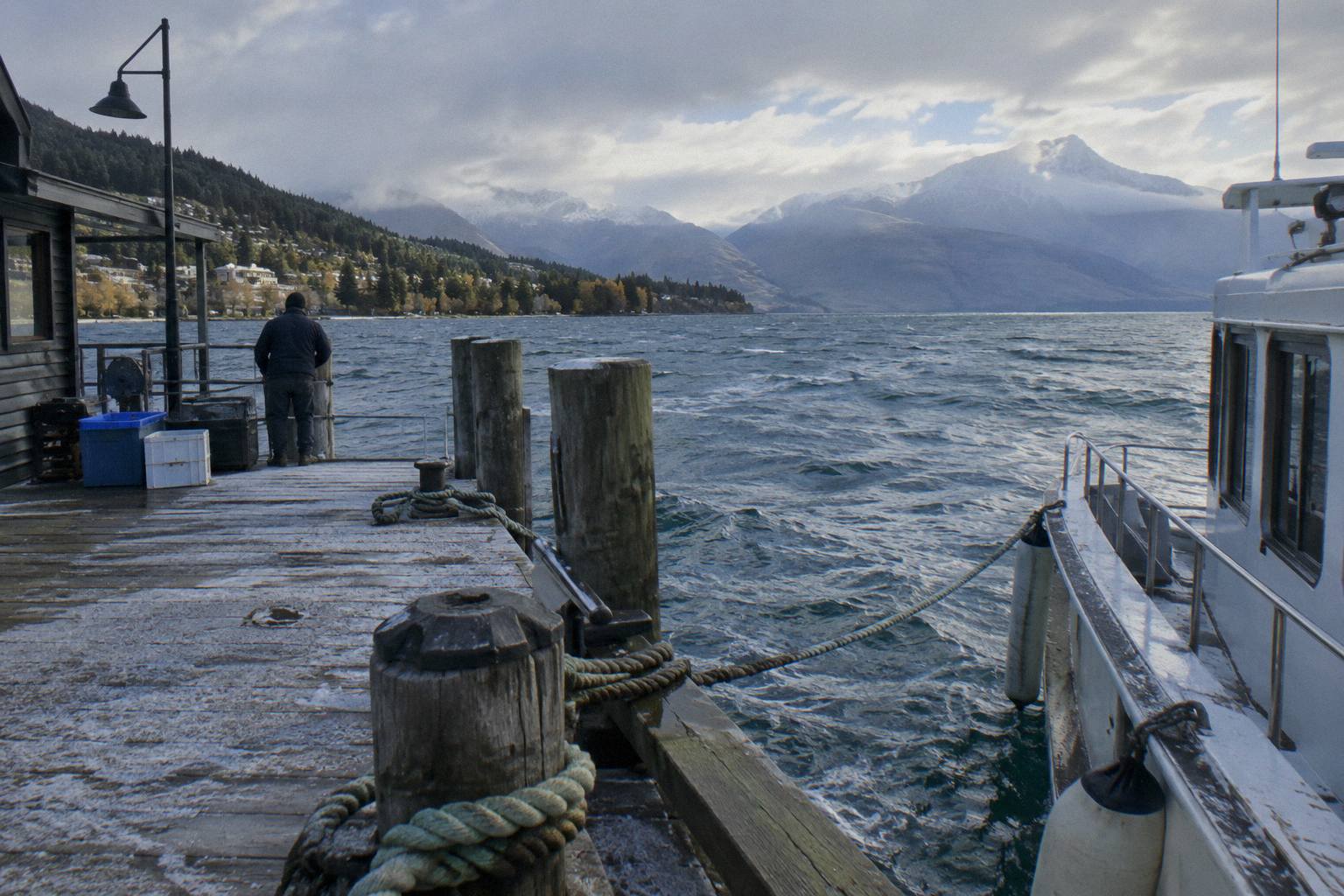
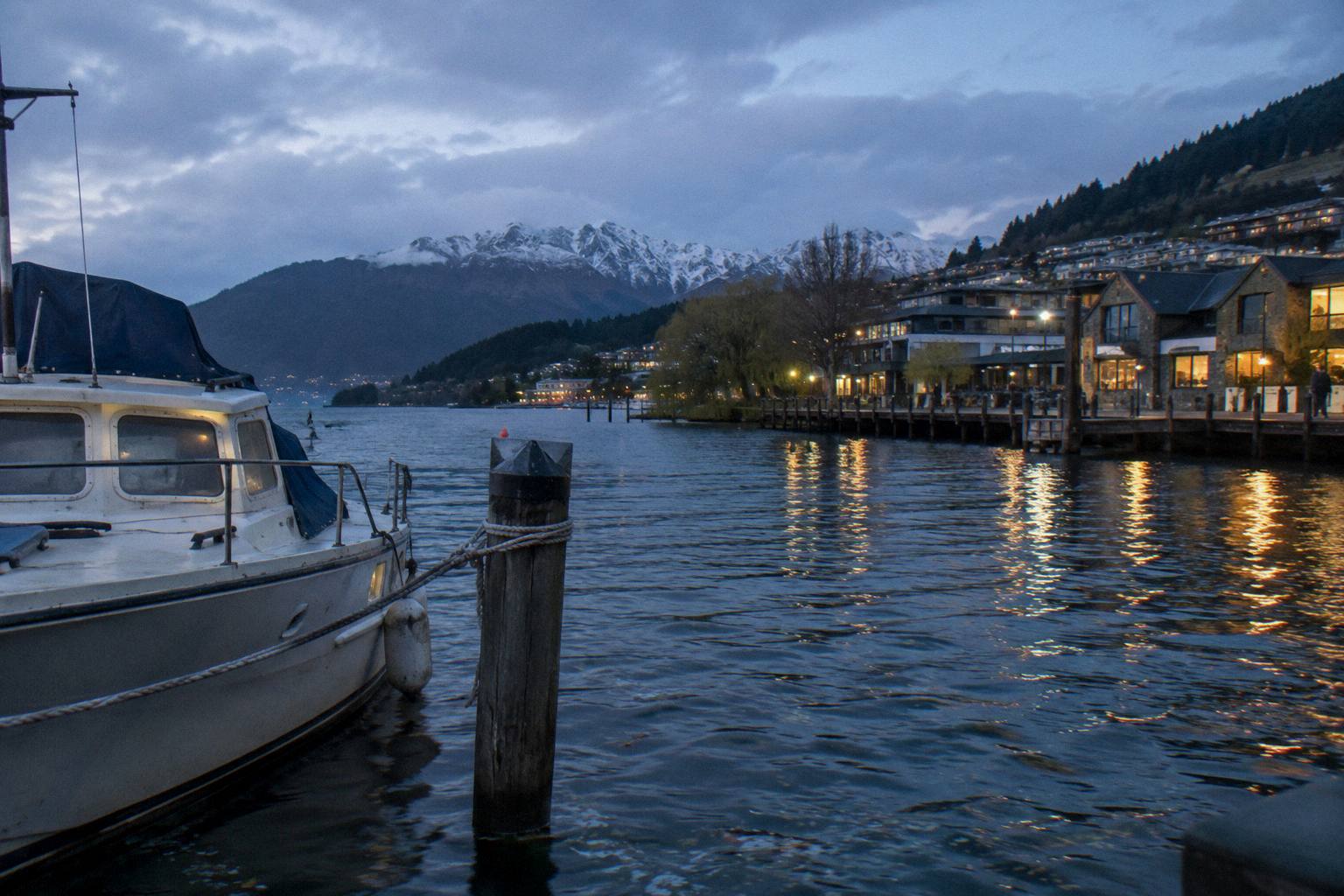
What can be said with attribution is that KJet moved its operations from the Frankton Jetty to Queenstown's Main Town Pier in 1960, per KJet's own account, and that the pier is still where its 60-minute ride leaves from today. The table below keeps every "first" attached to its source.
| Source | Claim | Who says it |
|---|---|---|
| Wikipedia (jet boat page) | Sir William Hamilton invented the Hamilton jet in the mid-1950s for shallow rivers | Independent encyclopedia, cited |
| KJet site and blog | Business born in 1958; first jet-powered navigation of the Kawarau Falls dam by Alan and Harold Melhop | KJet, its own account |
| KJet site | "World's first commercial jet boat operator" | KJet, no independent confirmation found |
| KJet blog | Operations moved from Frankton Jetty to the Main Town Pier in 1960 | KJet |
| Shotover Jet | Operator since 1965 | Shotover Jet, not verified here |
For a closer look at the launch point that survives from that era, the guide to the Main Town Pier meeting point covers the pier itself.
Why Did Shallow Rivers Need A Whole New Engine?
A propeller needs water depth and it strikes rocks, so the gravel rivers of New Zealand's South Island, including the Kawarau, were effectively closed to powered boats. The Hamilton jet draws water through an intake in the hull and expels it as a steering nozzle, which lets a boat skim water only centimetres deep and spin in its own length.
That last capability is not a stunt bolted on later. Because a jet boat steers by directing the nozzle rather than turning a rudder, a driver can cut thrust and swing the nozzle to rotate the hull through a full circle, the manoeuvre passengers know as the 360 spin. Not every Queenstown ride lists spins in its inclusions: the Thunder Jet booking pages list full 360 degree spins, while KJet's booking page does not list a spin at all. The guide on which rides list 360 spins keeps that distinction straight.
- Thunder Jet 30-Minute RideNZ$119
- KJet 60-Minute RideNZ$159
- Thunder Jet 1-Hour RideNZ$159
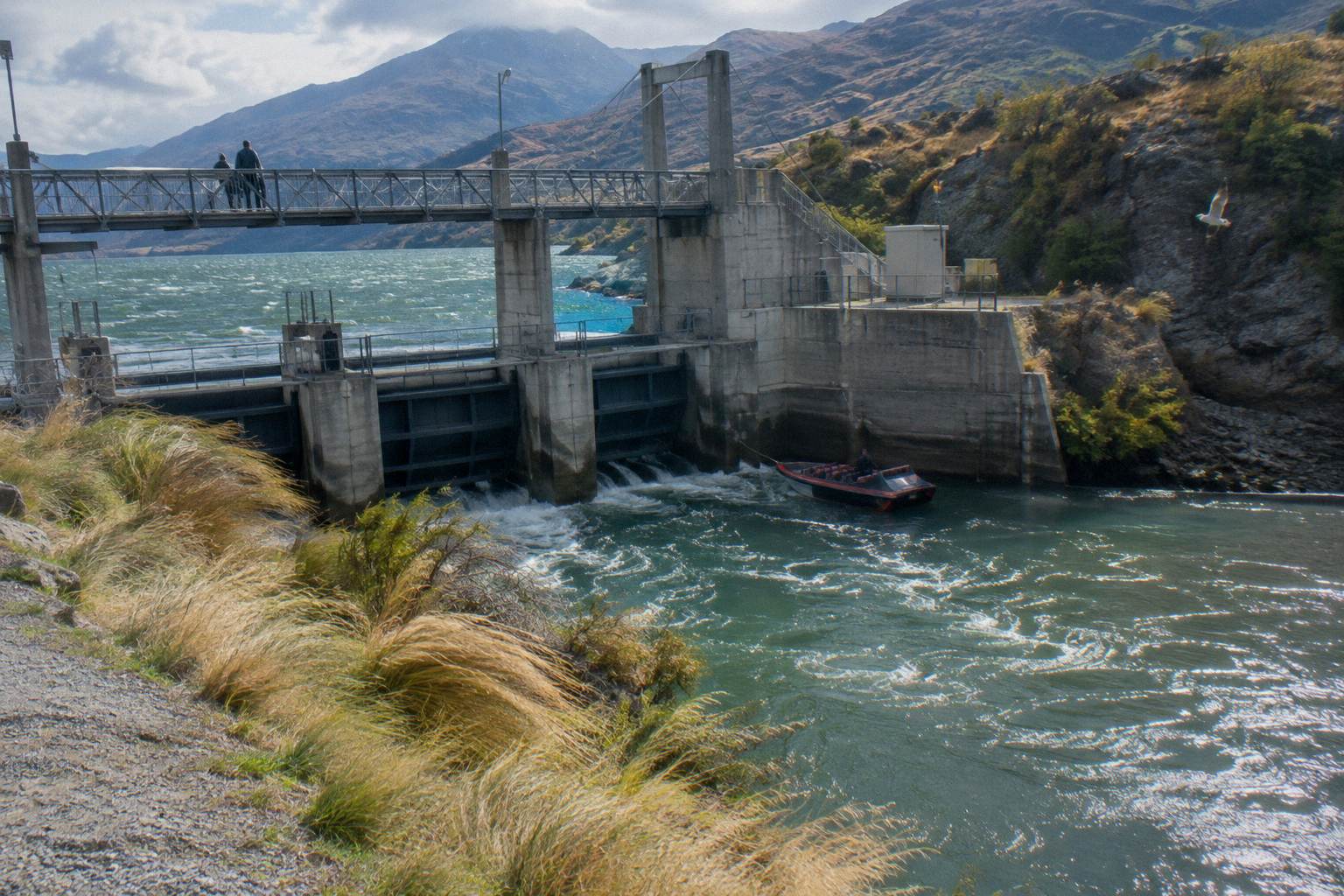
The Kawarau itself suits the format well. The river runs about 60 km from Lake Wakatipu via the Frankton Arm to Lake Dunstan, its name is usually translated as "channel between rocks or shoals", and it is the largest-volume river commercially rafted in New Zealand. Its outlet falls are called Oterotu, and control gates built at the lake outlet in the 1920s still regulate the flow; the gates carried State Highway 6 traffic until a replacement bridge opened in December 2017. A jet unit that tolerates shallow, shifting gravel is the right tool for a river like that.
Which Jet Boat Rides Run On The Kawarau Today?
Four operators sell jet boat products around Queenstown: KJet runs a 60-minute ride from the Main Town Pier, Thunder Jet runs 30-minute and 1-hour rides from Steamer Wharf, RealNZ runs a raft-led trip whose jet boat leg is the transfer, and Shotover Jet runs a 25-minute ride on the Shotover River, not the Kawarau. Prices run from NZ$119 to NZ$329 per person.
That is the full field, and the differences between them are format differences, not quality rankings. KJet's ride covers Lake Wakatipu, the Kawarau River and the Shotover River in one hour. Thunder Jet's two rides, which are two lengths of one product family from a single operator rather than rivals, cover Lake Wakatipu and the Kawarau River. RealNZ's product is a rafting trip first: the jet boat ride of about 25 minutes exists to reach the rafting put-in. Shotover Jet's ride is included here for comparison only because it runs on a different river.
| Ride | Operator | Duration | From price per person | Rating and reviews |
|---|---|---|---|---|
| KJet 60-Minute Jet Boat Ride | KJet | 1 hour | from NZ$159 | 4.7 from 628 reviews |
| Thunder Jet 30-Minute Jet Boat Ride | Thunder Jet | 30 minutes | from NZ$119 | 4.7 from 27 reviews |
| Thunder Jet 1-Hour Jet Boat Ride | Thunder Jet | 1 hour | from NZ$159 | n/a |
| RealNZ Kawarau Rafting And Jet Boat Trip | RealNZ | 4 hours 30 minutes | from NZ$329 | 4.9 from 184 reviews |
| Shotover Jet Ride (Shotover River) | Shotover Jet | 25 minutes | from NZ$199 | n/a |
All figures are New Zealand dollars, booking-page from-prices per person, and free cancellation up to 24 hours applies on the booking page for all five. The Thunder Jet 30-minute rating comes from 27 reviews, a small pool worth knowing about before you read anything into it.
If the choice is really between riding from the town pier and riding from the wharf, the history above is a pleasant bonus rather than a decision factor. What decides it is duration, price, where you are standing when you want to ride, and whether the jet boat is the point or the transport. For the in-depth head-to-head, read KJet vs Thunder Jet compared on facts.
What Is The KJet Ride From The Main Town Pier?
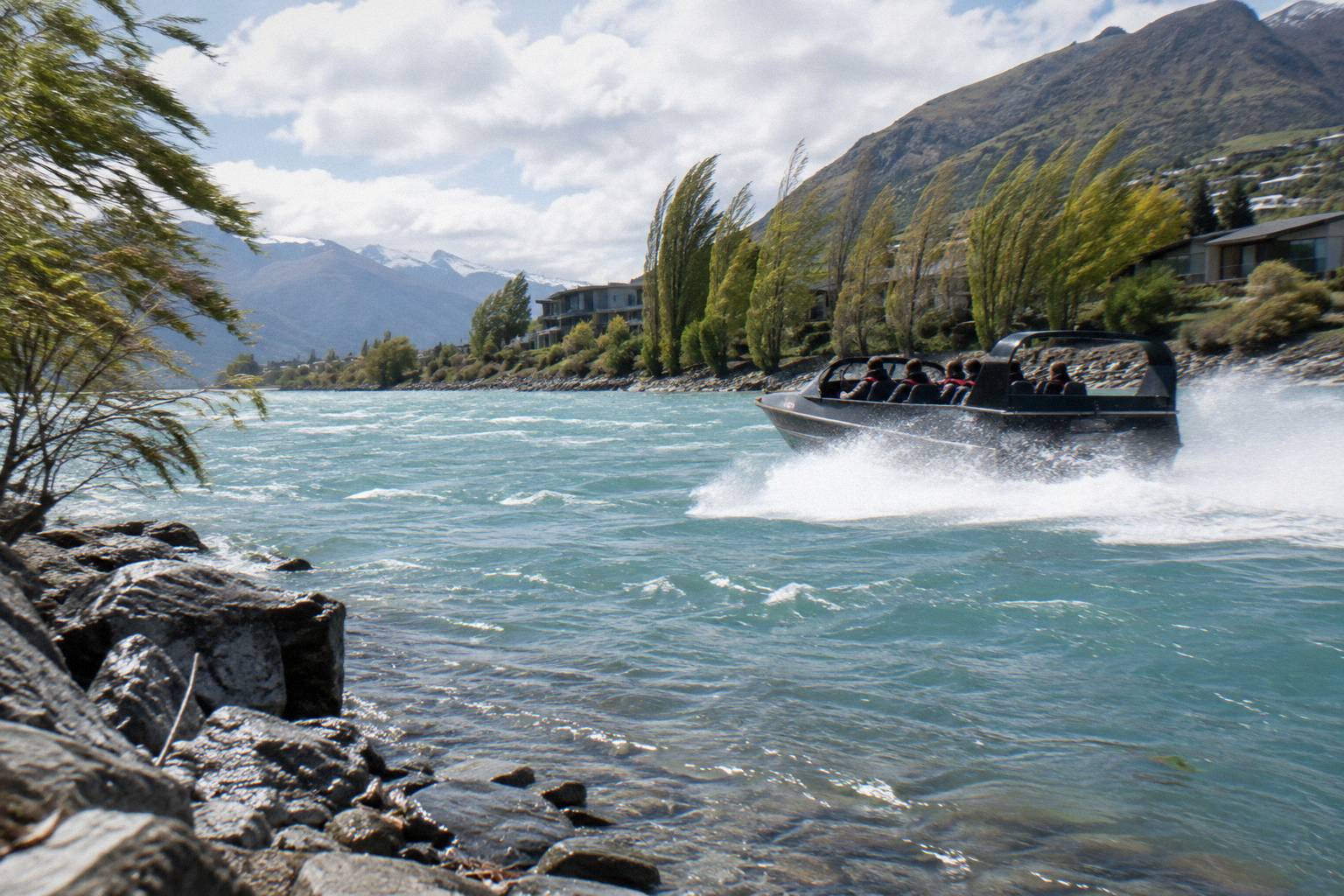
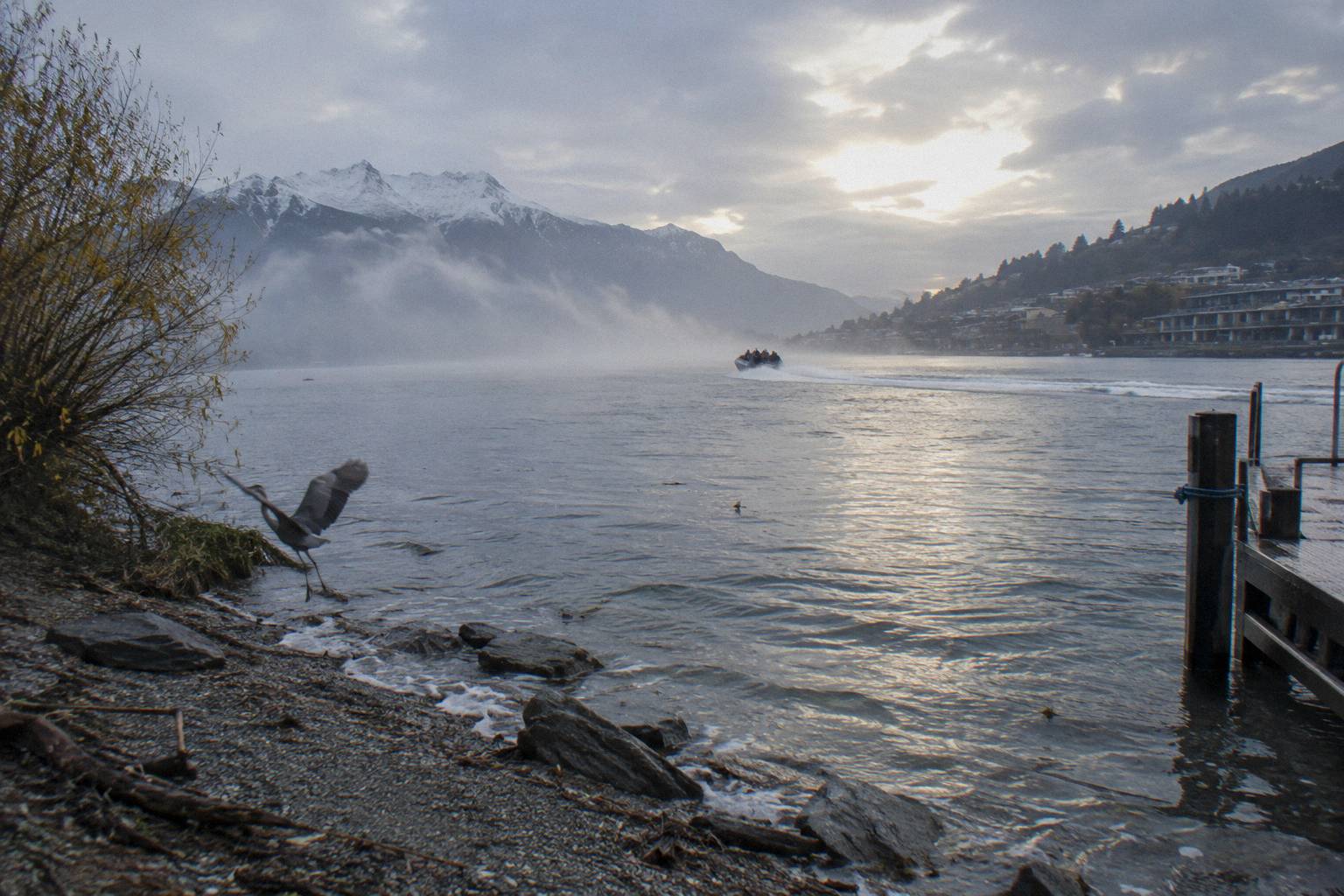
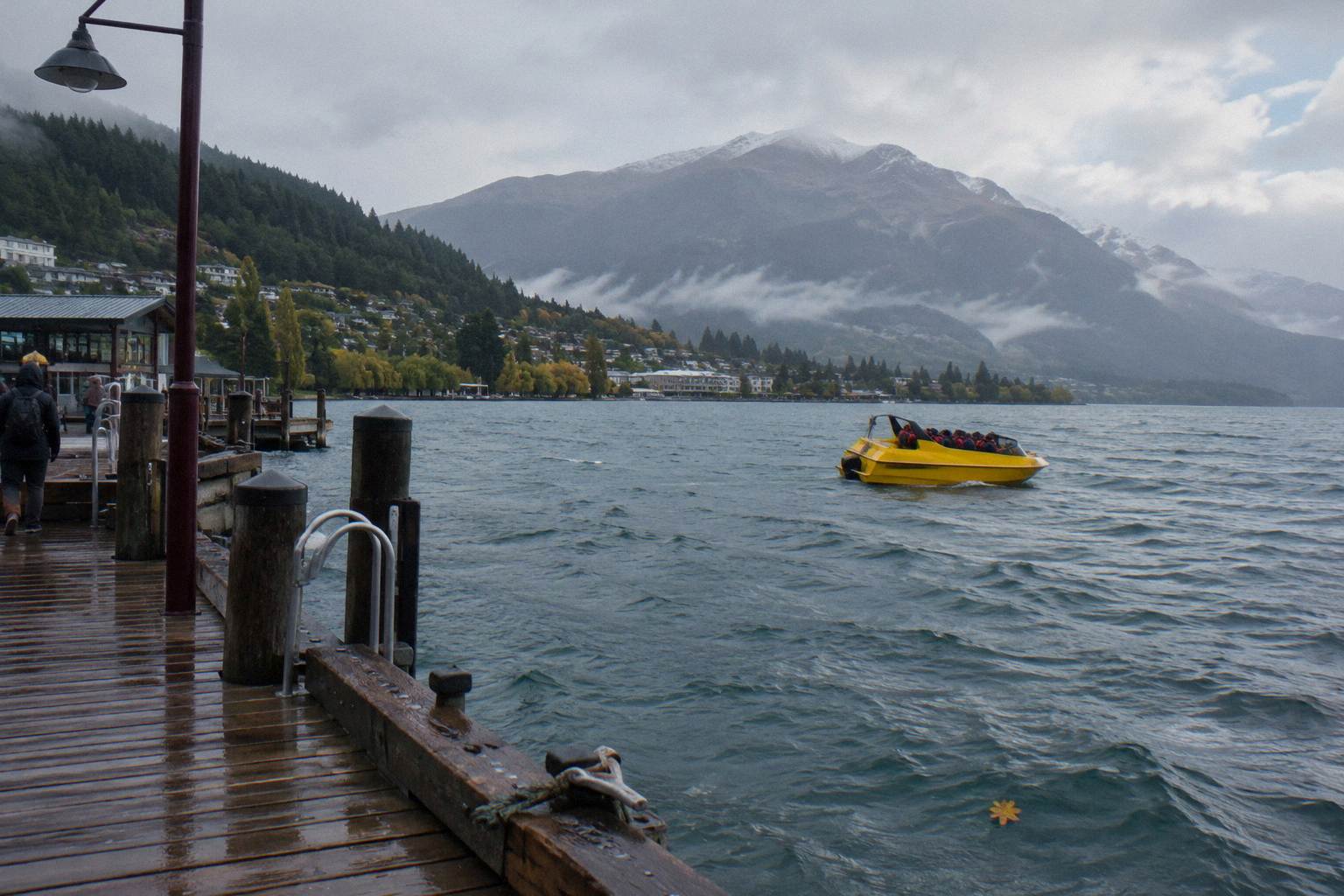
KJet's 60-minute ride leaves from the Main Town Pier on Marine Parade in Queenstown Bay, costs from NZ$159 per person and carries a 4.7 rating from 628 reviews. KJet names three waterways, Lake Wakatipu, the Kawarau River and the Shotover River, and says boats leave every hour on the hour from 10am to 6pm, 365 days a year, weather permitting.
The pier is the same base KJet moved to in 1960, per its own account, which makes this the ride with the longest continuous presence at one launch point of any Kawarau jet boat operator. KJet states its boats travel up to 95 kph; that is an operator figure for KJet only and is never applied to anyone else here. A version of about 40 minutes leaves from the Queenstown Marina in Frankton, and pick-ups from the Rees and Hilton jetties can be requested, though hotel pickup is not part of the booking-page offer, so ask KJet directly if that matters to your plans.
The booking page includes the 1-hour ride, a driver and guide, life vests and a safety briefing. Food, drinks, gratuities and photos are extra, and no 360 spin is listed among the inclusions. Age rules sit at 2 and over: under-2s cannot ride, infants aged 2 to 4 sit on an adult lap, and the child fare applies from ages 5 to 14 per KJet. Kawarau River Jet Boats keeps the full detail on this ride, including photos, prices and the family pack, and you can also see the KJet 60-Minute Jet Boat Ride listing directly, or check availability if you already know your dates.
What Does Thunder Jet Run From Steamer Wharf?
Thunder Jet runs two rides from the Watersport kiosk on Steamer Wharf, 88 Beach Street: a 30-minute ride from NZ$119 per person rated 4.7 from 27 reviews, and a 1-hour ride from NZ$159 per person whose newer booking page has too few reviews to print. Both list commentary, local stories of the river, full 360 degree spins and life jackets, over Lake Wakatipu and the Kawarau River.
These are two lengths of one product from one operator, Watersports Limited, not competing products, and the choice between them comes down to time and money rather than anything else. The 30-minute ride suits a family with a tight schedule or a first-timer testing the water. The 1-hour ride covers the same ride area with more of it, at the same from-price as KJet's hour, which makes the comparison a genuine one and the subject of the head-to-head guide linked above.
Both booking pages carry free cancellation up to 24 hours. The regional tourism page for Thunder Jet lists opening hours of 8:30am to 5pm daily and closure on Christmas Day, though those are business hours rather than departure times, and speed, route length and capacity are not published for this operator. The regional tourism listing also notes child ages 5 to 14 travelling with an adult and infants aged 2 to 4 travelling free on a lap.
How Does The RealNZ Trip Fit The Kawarau Story?
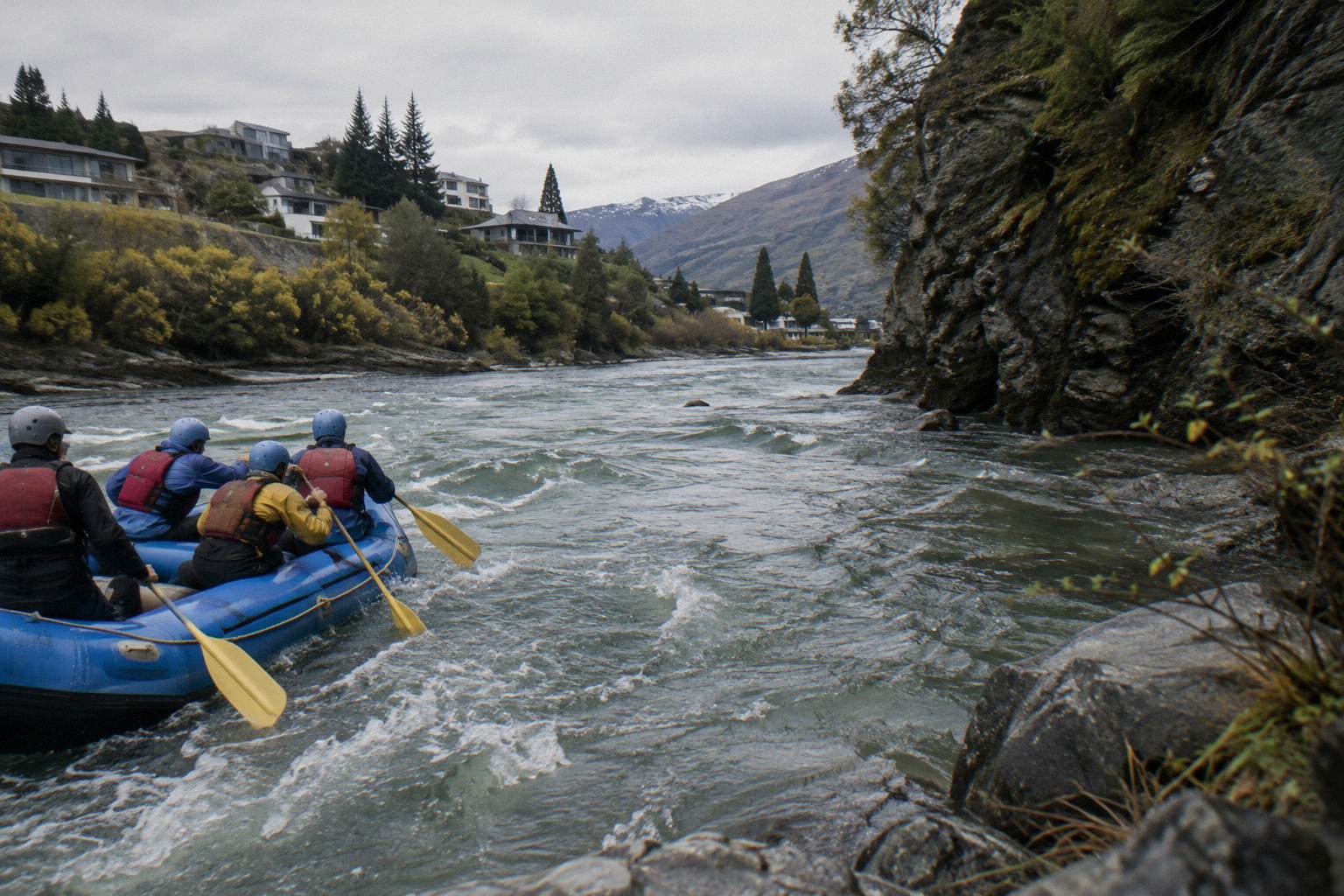
RealNZ runs a raft-led trip of about 4.5 hours from the RealNZ Visitor Centre at 88 Beach Street, from NZ$329 per person, rated 4.9 from 184 reviews. The jet boat leg, about 25 minutes, is the transfer to the rafting put-in, after which you raft the Kawarau for about an hour. This is a rafting product with a jet boat inside it, not a jet boat ride on its own.
A reader researching jet boating history who books the RealNZ trip expecting an hour of jet boating will be surprised, because the jet boat exists to deliver you to the raft. What the booking page does include is generous: wetsuit and rafting clothing, all rafting equipment, safety briefing and paddling instruction, hot showers, snacks and a round-trip transfer between Queenstown and the raft base. A free shuttle runs from the centre of town to the raft base.
The trip is for ages 13 and over, with 13 to 15 year olds needing a guardian, and carries a weight rule of 40 kg to 120 kg. It is not suitable for non-swimmers, people with back or heart problems, or pregnancy. Bring a swimsuit and a towel. If the combination appeals more than either activity alone, the longer guide to jet boat and rafting combos on the Kawarau works through the decision in full.
Is The Shotover Jet Ride On The Kawarau?
No, the Shotover Jet does not operate on the Kawarau River; it runs on the Shotover River from its Arthurs Point base, with a second meeting point at the Station Building on Duke Street in Queenstown and return transport included. If you want a jet boat ride on the Kawarau itself, KJet covers Lake Wakatipu, the Kawarau River and the Shotover River on a 60-minute trip from Main Town Pier, Marine Parade.
The distinction sounds pedantic until you stand in Queenstown, where the two rivers are both on the brochure rack and the rides are often confused. The Kawarau drains Lake Wakatipu through the Frankton Arm and the gorge; the Shotover joins it after flowing through its own canyon country. KJet's 60-minute ride, uniquely among the rides here, names both rivers plus the lake among its waterways, while Shotover Jet's product stays entirely on the Shotover.
The practical differences go beyond geography. Shotover Jet sets a minimum height of 1.0 m, which may rise to 1.2 m in high river conditions, and children need a fare-paying adult, whereas the pier rides set age minimums of 2 instead. For a full factual comparison, see KJet vs Shotover Jet: which to book.
What Rules Keep Commercial Jet Boats Safe On These Rivers?
Maritime Rules Part 82 governs commercial jet boating on New Zealand rivers: drivers must hold a New Zealand Commercial Jet Driver (River) Licence, Maritime NZ inspects boats and safety equipment and audits operations, and each operation must display its Commercial Jet Boat Operator Certificate prominently. The Kawarau also carries a year-round speed uplift under the local navigation bylaw.
The Maritime NZ rule is the national baseline, and it applies to every Queenstown jet boat ride equally. It is worth looking for the operator certificate when you check in, because displaying it prominently is a legal requirement, not a decoration. The rules picture on the water itself comes from the Queenstown Lakes District Council jet boating page: the national 5-knot limit within 200 m of shore applies on district rivers except where the Navigation Safety Bylaw uplifts it, and the uplift covers the Kawarau River from Lake Whakatipu to the Arrow River confluence all year, excluding a buoyed area near the Zoological Gardens. The Lower Shotover, from the Kawarau confluence to the Oxenbridge Tunnel, is uplifted all year with a permit required for the concession area.
None of this is trivia for a passenger, because it explains why commercial jet boats can operate at speed close to a town shoreline at all, and why the same waterways impose zones and permits. Weather remains the other governor: KJet says departures run weather permitting, and it may cancel or amend trips for weather, offering a rebooking or full refund when it does. The deeper dive is in jet boat safety in Queenstown: rules and licences, and the practical side of cancellations is covered in what to expect when weather cancels a ride.
| Rule | What it says | Who administers it |
|---|---|---|
| Commercial Jet Driver (River) Licence | Required for all commercial river jet boat drivers | Maritime NZ |
| Operator certificate | Must be displayed prominently at the operation | Maritime NZ |
| Inspections and audits | Maritime NZ inspects boats and safety equipment and audits operations | Maritime NZ |
| 5-knot nearshore rule | Applies on district rivers except where uplifted | Queenstown Lakes District Council |
| Kawarau speed uplift | Lake Whakatipu to the Arrow River confluence, all year, excluding the buoyed Zoological Gardens area | Queenstown Lakes District Council |
What Else Sits Along The Kawarau Jet Boat Route?
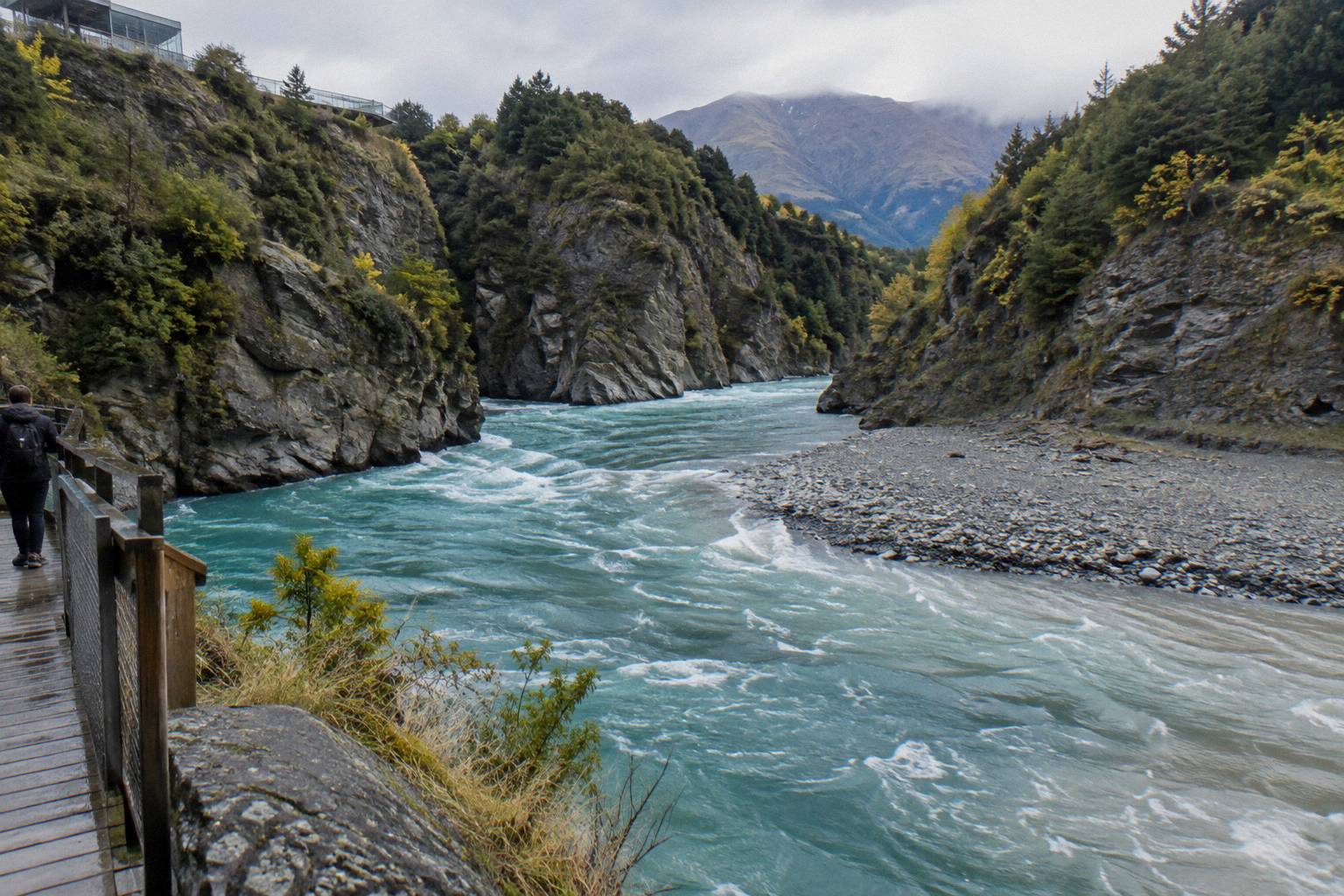
The Kawarau Gorge Suspension Bridge stands 43 m above the river and was completed in late 1880, and the AJ Hackett site there is described as the world's first commercial bungy jumping site, a description attributed to AJ Hackett. The river also passes the 1920s control gates at its outlet and the old highway alignment that carried SH6 until December 2017.
The suspension bridge is the anchor of the gorge's second adventure industry. Linking a jet boat ride with the bungy is a common Queenstown day plan, and it is a pairing with real history behind it, given the bridge predates every jet boat on the river by nearly eight decades. The gates at the lake outlet are quieter heritage: built in the 1920s, they regulated the lake level and doubled as a road bridge until the current one opened, and they sit within sight of the Frankton end of the jet boat waterways.
Downstream, the river's scale explains its rafting reputation: it is the largest-volume river commercially rafted in New Zealand, which is precisely why the RealNZ raft trip runs there. For the geography in detail, see the Kawarau River from a jet boat and the companion guide to the Kawarau Gorge and the ride.
When Is The Best Time Of Year For Jet Boating In Queenstown?
Queenstown averages a mean daily maximum of 22.0 °C in January against 8.2 °C in July, with mean daylight running 15.6 hours in December and 9.2 hours in July, so summer gives long evenings and warm spray while winter gives cold air, heated handrails on the KJet boats and often clearer, quieter water. Yearly rainfall averages 721 mm at the airport station.
The rides themselves run year round. KJet says its boats leave every hour on the hour from 10am to 6pm, 365 days a year, weather permitting, and the regional tourism listing shows the KJet office open on Christmas Day from 10am, though Thunder Jet's kiosk closes on Christmas Day per its listing. Winter riders should note that KJet does not provide spray jackets, so a waterproof jacket or an eco-poncho from the base is the advice, along with sunglasses or goggles, sunscreen, a hat, gloves and closed shoes.
| Month | Mean daily max | Mean daily min | Mean daylight hours |
|---|---|---|---|
| January | 22.0 °C | 9.9 °C | 15.2 |
| April | 15.2 °C | 4.5 °C | n/a |
| July | 8.2 °C | -1.4 °C | 9.2 |
| October | 15.4 °C | 4.4 °C | n/a |
| December | 20.2 °C | 8.5 °C | 15.6 |
Those are station normals from the Queenstown Airport record, 1991 to 2020, not river conditions, and no water temperature or flow figure is available for the river. Timing within the day matters less than you might think, since departures are hourly; the fuller treatment is in what time of day to book a KJet ride and the seasonal guide to winter jet boating on the Kawarau.
Does The History Matter When Choosing A Ride?
Not really: the Hamilton jet's mid-1950s origin and KJet's 1958 claim are interesting, but the decision comes down to duration, from-price, meeting point and whether spins or a raft leg matter to you. Every ride listed here runs under the same Maritime NZ rules on the same council-managed waterways.
If heritage is genuinely part of the appeal, the plain position is that KJet's pier operation has a documented 1960 start at its current base and a self-described 1958 beginning that no independent source confirms. What is verifiable is the equipment lineage: every boat on this waterway descends from the Hamilton jet designed for shallow rivers, and the Kawarau is a textbook shallow gravel river. Riders who want more of that story can continue with the history of jet boating across New Zealand's rivers in the companion coverage of the Queenstown operators, or read queenstownjetboatride.com for the ride-by-ride comparison of what each operator offers.
For most visitors the practical summary is short. One hour from the pier buys three waterways. Thirty minutes from the wharf buys a shorter, cheaper taste with listed spins. Four and a half hours with RealNZ buys a rafting day with a jet boat transfer inside it. Twenty-five minutes on the Shotover buys a different river entirely. All five carry free cancellation up to 24 hours on the booking page, which removes most of the risk from booking ahead.
Common Questions About Jet Boating In New Zealand
Where Did Jet Boating In New Zealand Begin?
With the Hamilton jet, credited by Wikipedia to Sir William Hamilton in the mid-1950s and designed for shallow gravel rivers. Commercially on the Kawarau, KJet says its business was born in 1958 and describes itself as the world's first commercial jet boat operator, a claim with no independent confirmation.
Which Jet Boat Rides Run On The Kawarau Today?
KJet runs a 60-minute ride from the Main Town Pier from NZ$159 per person, and Thunder Jet runs 30-minute and 1-hour rides from Steamer Wharf from NZ$119 and NZ$159. RealNZ runs a raft-led 4.5-hour trip whose jet boat leg is the transfer, from NZ$329. Shotover Jet's ride runs on the Shotover River, not the Kawarau.
Is KJet Really The World's First Commercial Jet Boat Operator?
KJet describes itself that way, and says its business was born in 1958. No independent source, including Wikipedia and Te Ara material, confirms the claim, so treat it as KJet's own account.
What Safety Rules Apply To Commercial Jet Boats On The Kawarau?
Maritime Rules Part 82 requires commercial river jet boat drivers to hold a New Zealand Commercial Jet Driver (River) Licence, and each operation must display its Commercial Jet Boat Operator Certificate prominently. Maritime NZ inspects boats and safety equipment and audits operations.
How Fast Do Jet Boats Go On The Kawarau?
KJet states its boats travel up to 95 kph, an operator figure that applies to KJet only. No speed figure is published for Thunder Jet, RealNZ or Shotover Jet.
Can Children Ride The Kawarau Jet Boats?
Yes. KJet and Thunder Jet rides take ages 2 and over, with infants aged 2 to 4 sitting on an adult lap and child fares from ages 5 to 14. The RealNZ raft trip is 13 and over, and Shotover Jet sets a minimum height of 1.0 m instead of an age.