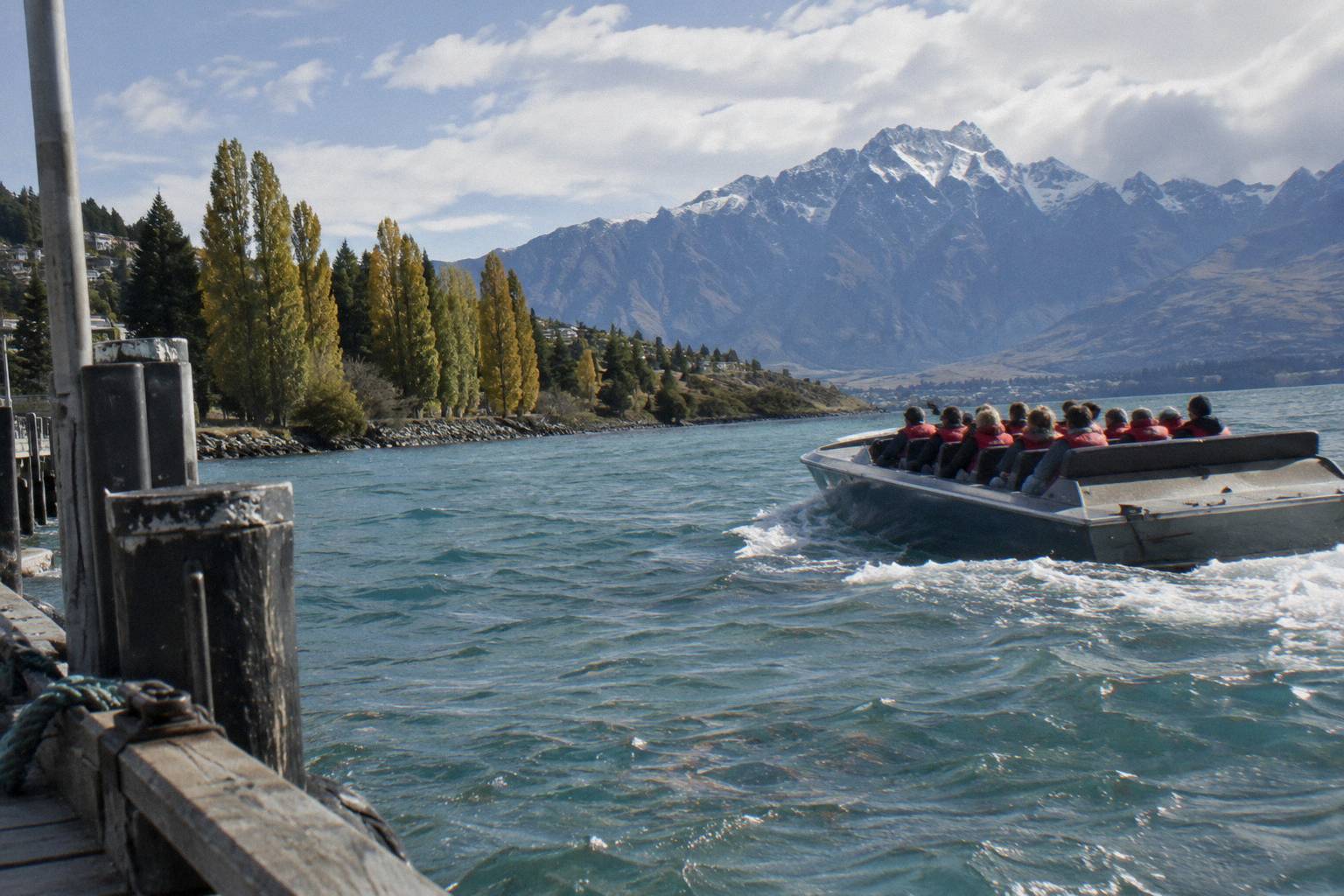
Do You Get Wet On A KJet Ride?
KJet provides no spray jackets and publishes no wetness promise: here is what the operator says to bring, where the drier seats are, and how rain and refunds work.
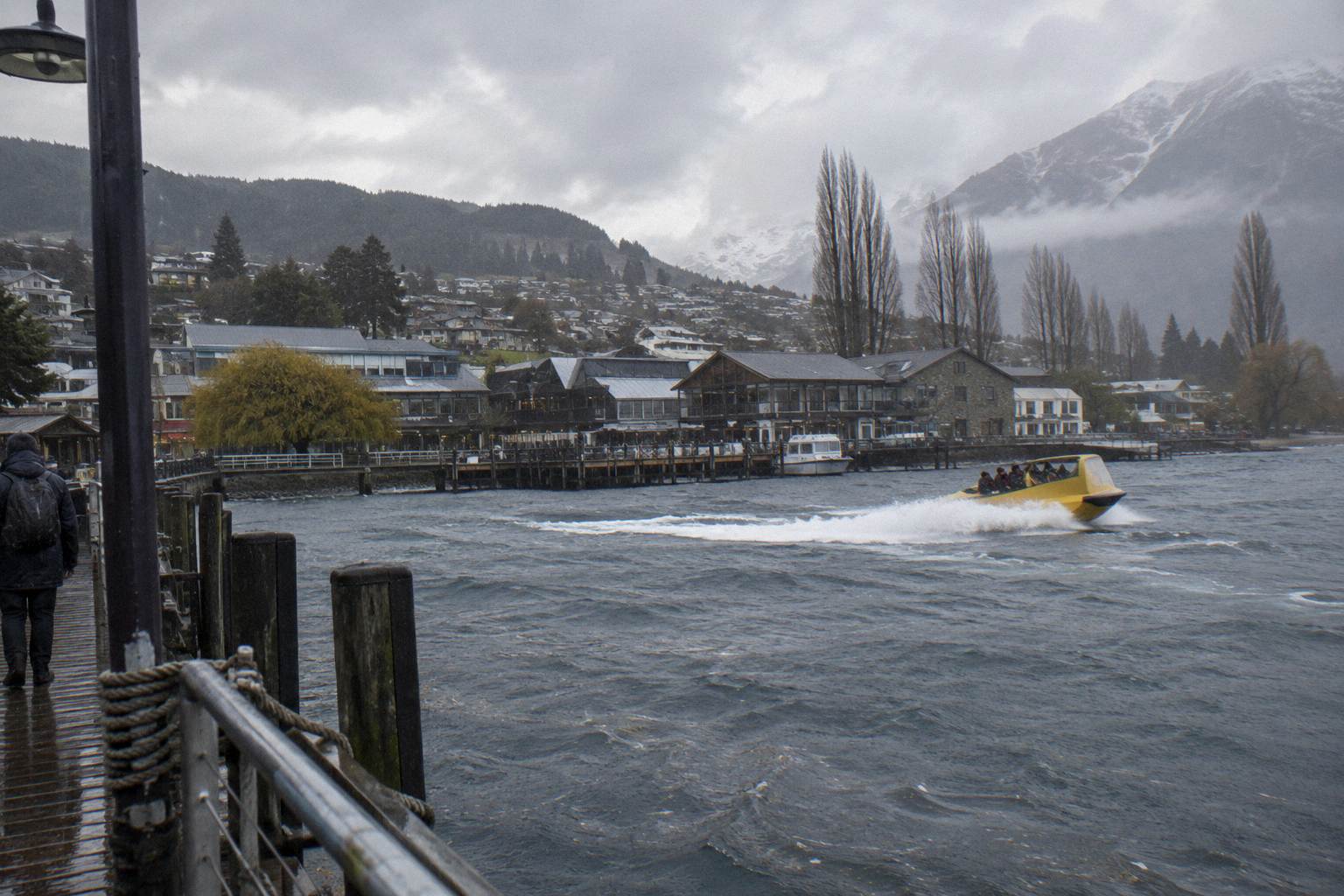
KJet makes no wetness promise: it does not say you will get soaked, and it does not say you will stay dry. What it does publish is preparation advice. Spray jackets are not provided, the operator advises bringing a waterproof jacket or buying an eco-poncho at the base, and it notes that centre seats are drier, though seating cannot be guaranteed. Anything beyond that is guesswork.
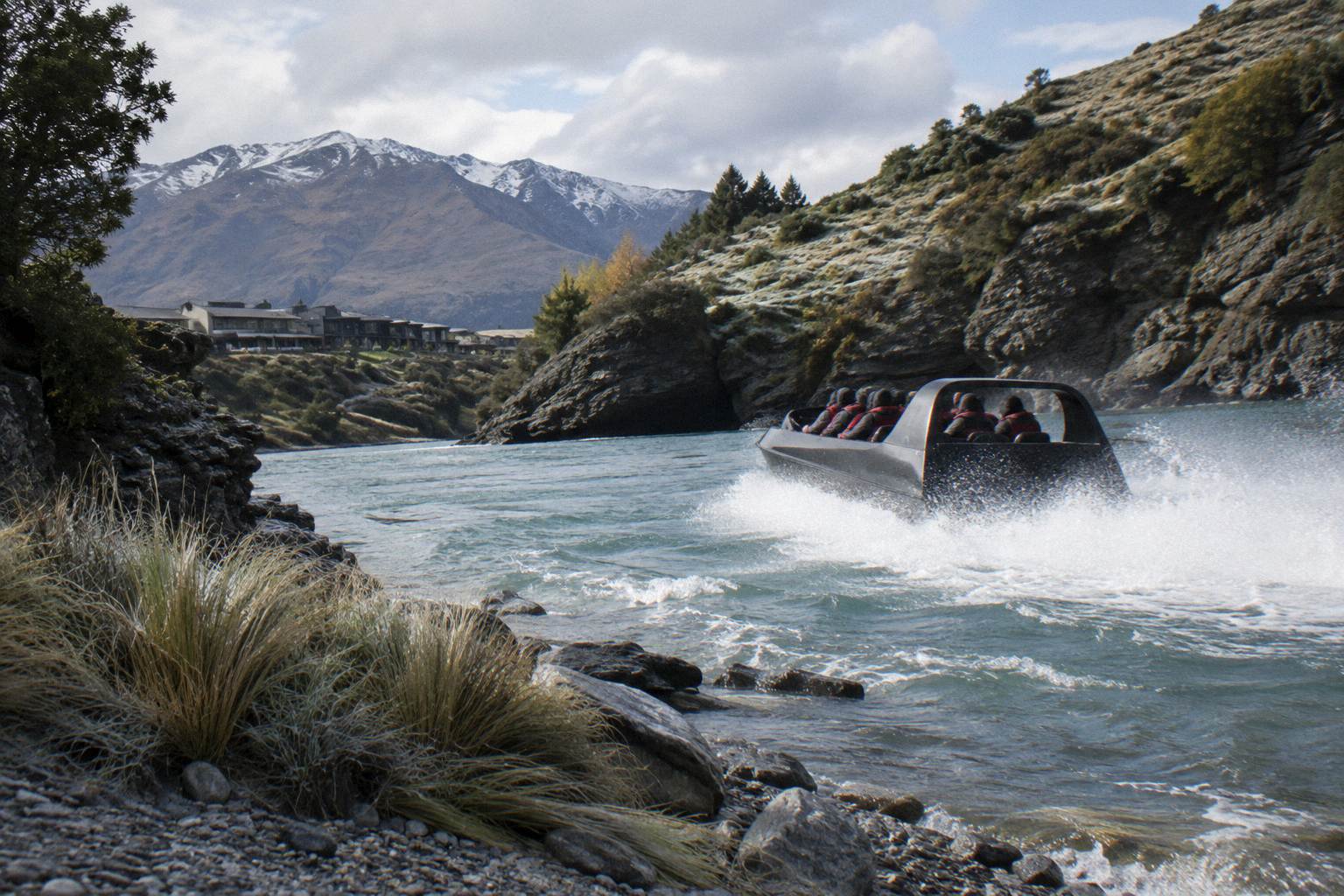
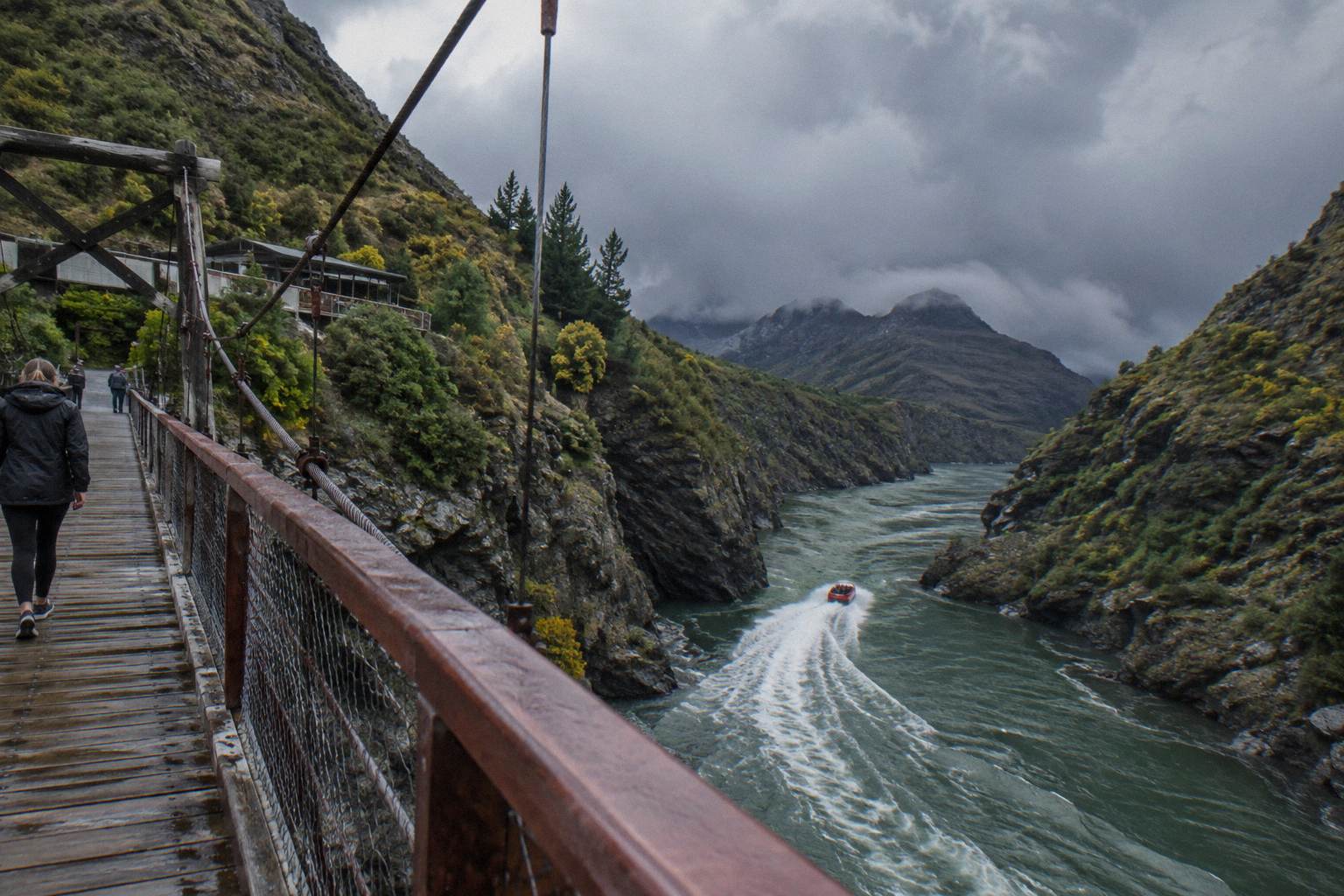
That answer frustrates people who want a simple yes or no, so it is worth explaining why the operator words it this way. A jet boat ride on Lake Wakatipu, the Kawarau River and the Shotover River moves between sheltered water near the Main Town Pier and open stretches where wind, spray and the boat's own manoeuvres all change how much water reaches the cabin. The same trip can feel dry for one passenger and damp for the person a metre away. Wind direction alone can do that. No operator can guarantee either outcome, and KJet's FAQ does not try.
The practical reading of the published advice is straightforward. If you treat the ride as something that might splash you, dress for it, and then any spray becomes a detail rather than a problem. If you arrive in a cotton hoodie assuming the boat is a ferry, a cold wind off the lake turns a damp sleeve into an uncomfortable hour. The people who enjoy these rides most are usually the ones who packed a light waterproof layer whether or not they ended up needing it.
There is a second reason the question matters more in Queenstown than in warmer jet boating destinations. NIWA's 1991 to 2020 station normals for Queenstown Airport put the mean daily maximum at just 8.2 °C in July, against 22.0 °C in January. The same ride in midwinter and midsummer is essentially two different experiences for anyone sitting in spray. Winter passengers get a genuine consolation, though: KJet's winter FAQ answer notes that the handrails are heated, which suggests the operator expects cold conditions rather than avoiding them.
Below, we work through what KJet actually provides versus what you bring, where the drier seats are, how the seasons change the picture, what the other operators on this water say (which is very little, and for a reason), and how rain and cancellations interact with the wetness question.
What KJet Provides And What You Bring
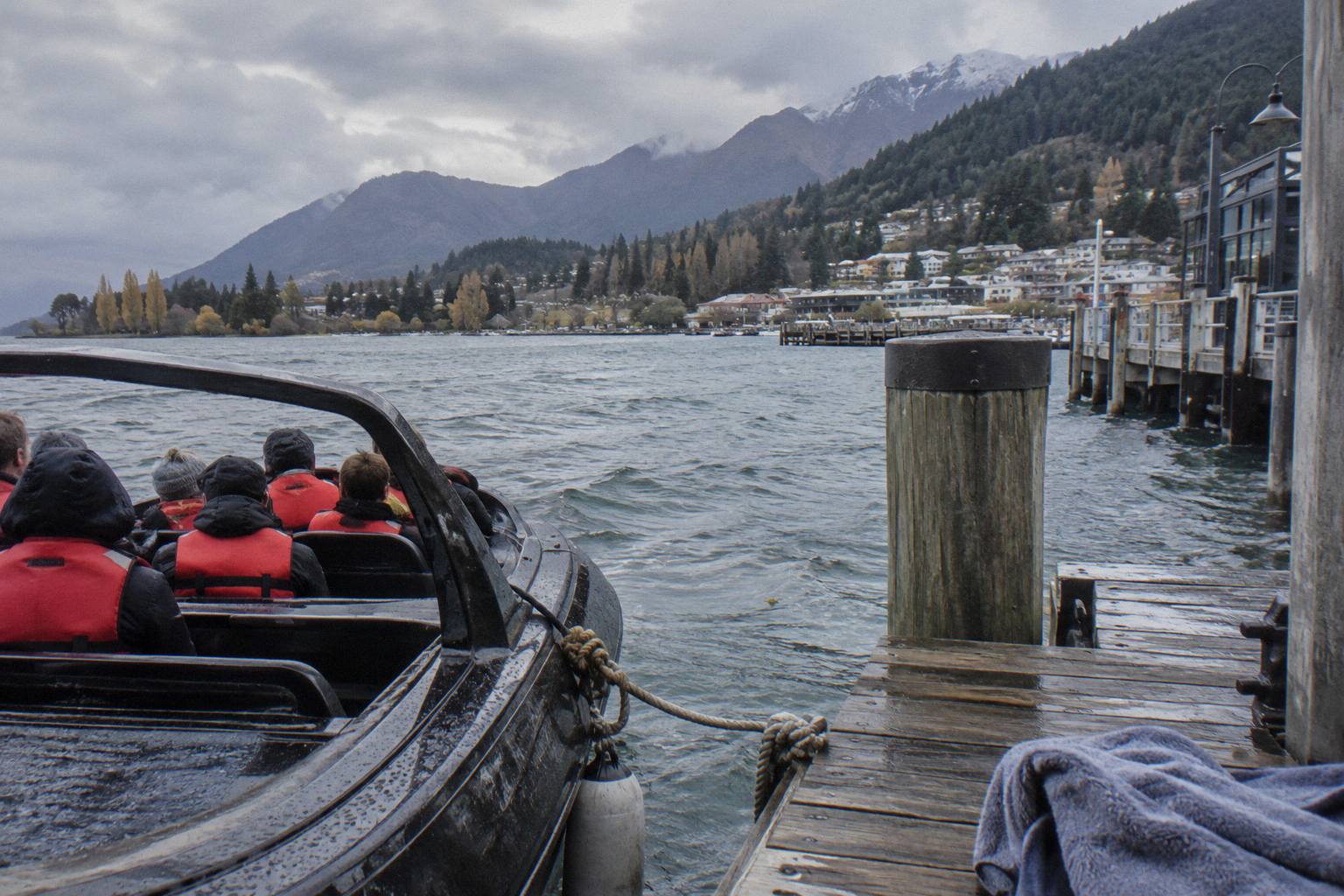
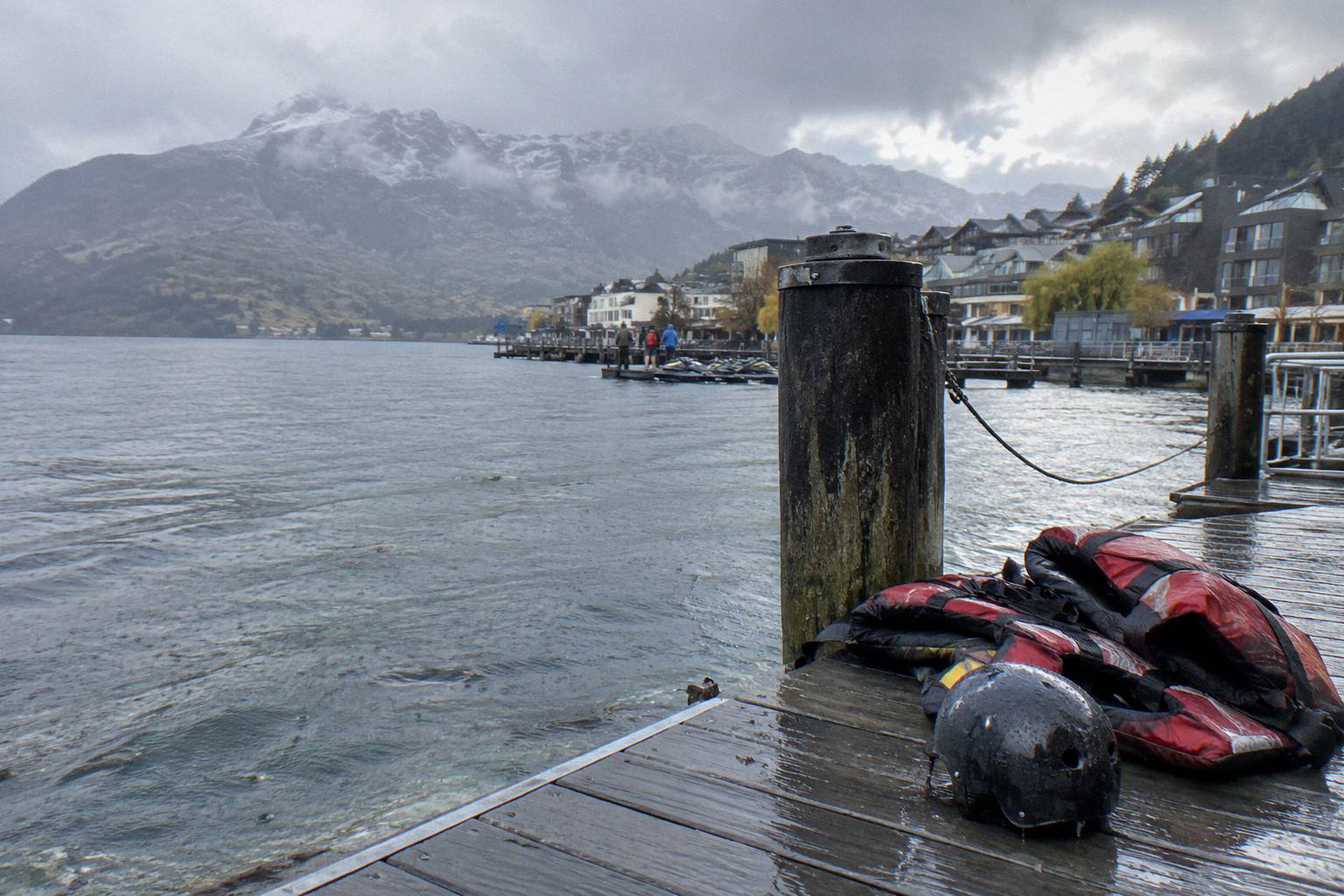
That split, what comes with the ticket and what does not, is where most of the wetness anxiety actually lives. The booking page inclusions for the KJet 60-Minute Jet Boat Ride are: the one-hour jet boat ride, a driver and guide, life vests supplied, and a safety briefing. The exclusions list food and drinks, gratuities, hotel pickup, and photos and videos sold separately. Spray jackets sit on the bring side of the line, and KJet states this plainly rather than burying it: the FAQ says spray jackets are not provided, and suggests bringing a waterproof jacket or purchasing an eco-poncho from the base.
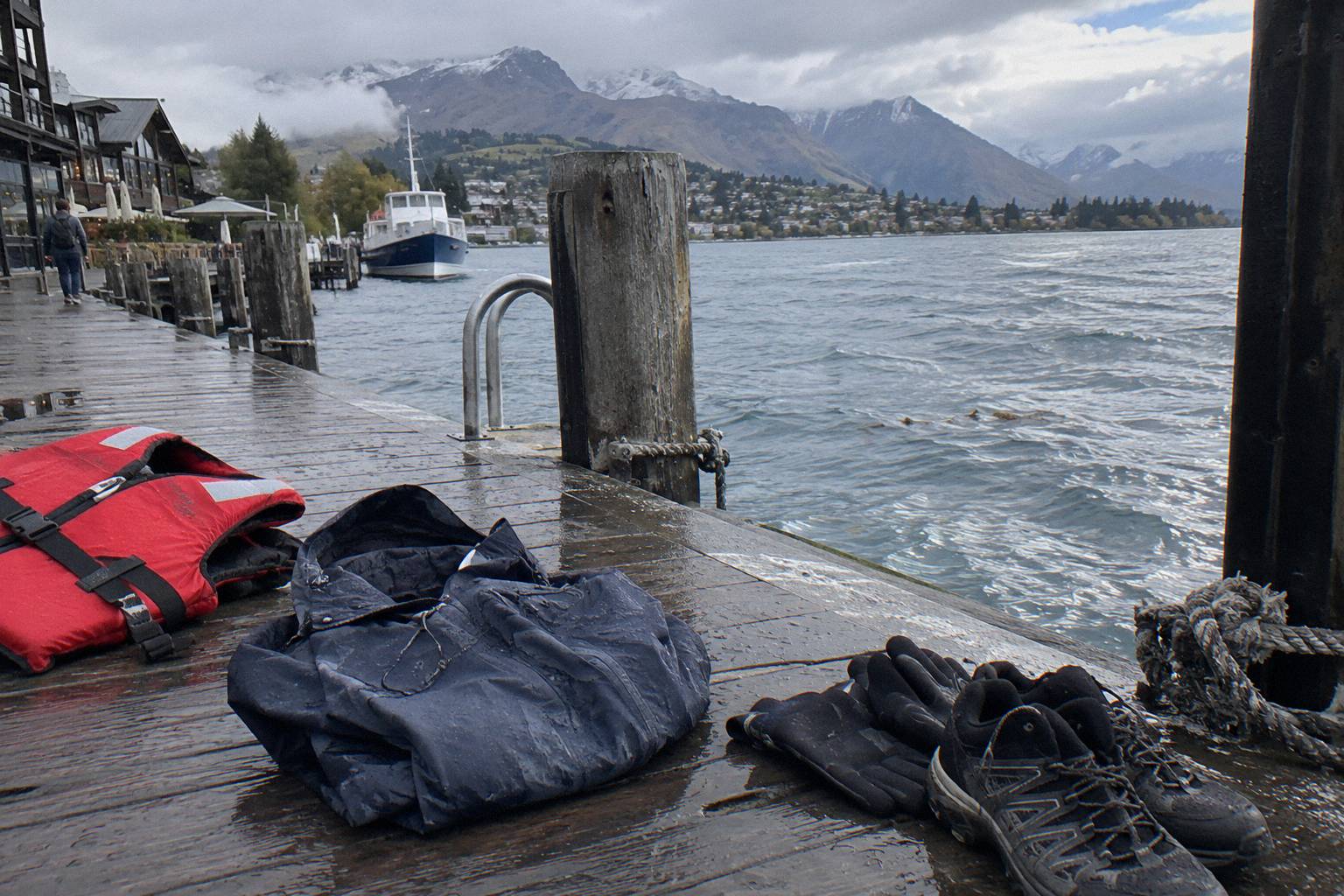
The full provided-versus-bring picture, drawn only from the operator's FAQ and the booking page:
| Provided with the ride | Bring or buy yourself |
|---|---|
| Life vests, fitted at check-in, sizes to 4XL | A waterproof jacket, or an eco-poncho from the base |
| A driver and guide | Closed shoes |
| A safety briefing before departure | Sunglasses or goggles in winter |
| The one-hour ride across Lake Wakatipu, the Kawarau and the Shotover | Sunscreen |
| Heated handrails in winter | A hat and gloves in winter |
| Free cancellation up to 24 hours (booking page) | A camera or phone, stored while the boat is moving |
Two small notes on that table. The life jacket sizing matters more than people expect: KJet's rules say there is no height or weight limit, but every passenger must fit a life jacket, which is the real constraint for very small children and larger adults alike. And the camera rule is a handrail rule too: phones must be stored while the boat is moving, with hands-free mounted action cameras the only exception, and no selfie sticks. If staying dry is the goal, holding onto the handrail with both hands is part of that, per the FAQ's advice to hold the handrail and brace with your feet.
If you want the packing question answered in full, with winter layering and what an eco-poncho actually is, the guide on what to wear on a jet boat ride in Queenstown covers it in more depth.
Where You Sit Changes How Wet It Feels
KJet says centre seats are drier than the outer seats, but also says seating cannot be guaranteed. Where you end up is decided at check-in, with the crew determining sitting versus lap arrangements for infants and allocating seats as the boat fills. Asking politely at the pier is the only lever a passenger has, and it may not work.
This is the single most useful wetness fact KJet publishes, and it is easy to miss because it is one clause inside a longer FAQ answer. The outer seats, nearest the gunwales, take the spray that comes off the hull and the turns; the centre of the cabin sits behind more of the boat's structure. The physics is not mysterious, and it is true of pretty much any open jet boat, not just KJet's. What KJet adds is the caveat: you cannot book a centre seat, and you cannot assume you will be given one.
- Thunder Jet 30-Minute RideNZ$119
- KJet 60-Minute RideNZ$159
- Thunder Jet 1-Hour RideNZ$159
The practical approach is to arrive at the Main Town Pier with enough time before departure to speak to the crew. KJet says boats leave every hour on the hour from 10am to 6pm, 365 days a year, weather permitting, so an hourly departure schedule means a missed conversation usually costs you an hour of waiting rather than a day. If the crew can place a nervous or cold-sensitive passenger nearer the centre, they generally will; if the boat is full or the weight distribution needs balancing, they cannot. Accepting that answer gracefully is part of reading a jet boat ride correctly.
It is also worth being clear about the trade-off. The outer seats are wetter, and for many passengers they are also the better ride: the view is more open, the sensation of speed is stronger, and the spray is part of what was paid for. A traveller who arrives in a good waterproof layer and takes an outer seat often has the better morning. A traveller in a wool coat who wanted the centre seat and did not get it has a long hour ahead. The jacket advice in the section above solves the seating problem more reliably than the seating advice does.
Does The Season Change How Wet It Feels?
Yes, enormously, and the operator's own advice shifts with it. KJet's winter FAQ adds sunglasses or goggles, a hat, gloves and heated handrails to the conversation, none of which appear in the summer framing. The water does not change, but the air temperature, wind chill and daylight do, and they decide whether spray is refreshing or punishing.
The station normals tell the story in numbers. Mean daily maxima at Queenstown Airport run from 22.0 °C in January down through 15.2 °C in April to 8.2 °C in July, with mean daily minima below zero in June and July. Mean daylight stretches to 15.6 hours in December and contracts to 9.2 hours in July. The same volume of spray that evaporates off a shirt in January sits on it, chilling, in July. That is why the winter guide on winter jet boating on the Kawarau treats clothing as the main planning decision of the cold season.
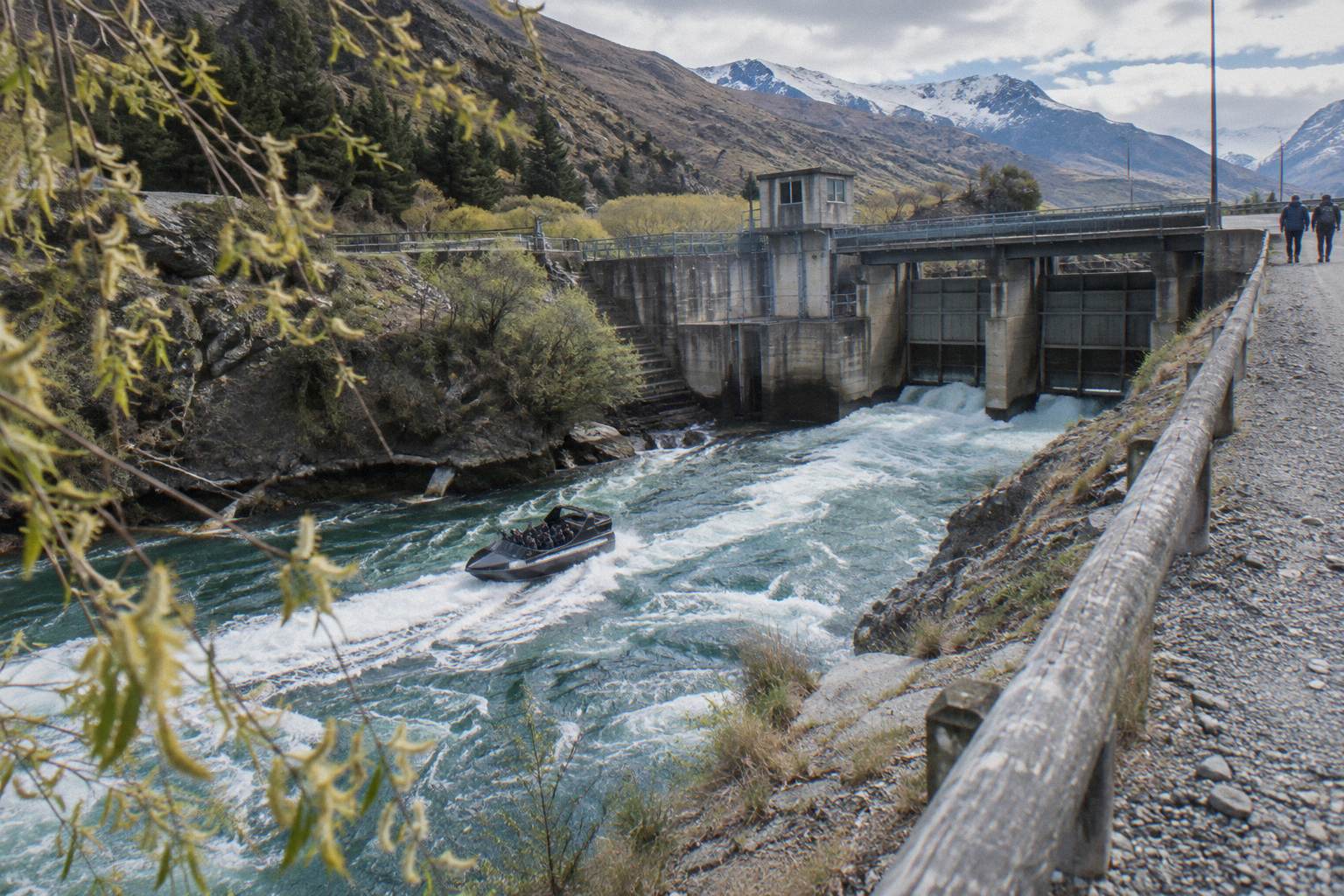
Rain is the other seasonal variable, and here the facts are calmer than people fear. Yearly rainfall at the airport station averages 721 mm across about 96 rainy days, which is modest by New Zealand's wetter-district standards. Rain itself does not cancel rides: the booking page says the trip operates rain or shine, and KJet's terms allow the operator to cancel or amend for weather or unforeseen circumstances, in which case it offers a rebook or a full refund. What actually stops jet boats is conditions the operator judges unsafe, not rainfall, and no published river-level, flood or wind rule exists beyond that judgement. Any page telling you a specific flow figure that cancels the ride is inventing one. Find more answers at Kawarau River Jet Boats.
One seasonal point that surprises summer visitors: sunscreen makes KJet's bring list, and not only in December. An hour on open water at southern latitudes, with reflection off the lake, is enough for a genuine burn on a bright winter morning as well. The operator lists it without seasonal qualification, which is the correct reading of the risk.
What The Other Rides Say About Getting Wet
Almost nothing, and that is consistent across operators. Thunder Jet's booking pages list the ride, spins, commentary and life jackets, with no jacket provision stated. Shotover Jet's booking facts likewise include no spray jackets. RealNZ's rafting trip, by contrast, supplies wetsuits and rafting clothing because getting wet is the point of the raft, not a risk to be managed.
The comparison is instructive because it shows how differently these products treat water. On a pure jet boat ride, wetness is an uncontrollable variable, so operators publish preparation advice and stop there. On the RealNZ Kawarau Rafting And Jet Boat Trip, the jet boat leg of about 25 minutes is the transfer to the rafting put-in, and the booking page includes a wetsuit, rafting clothing and all equipment, plus hot showers and snacks afterwards, because about an hour of rafting on the Kawarau guarantees immersion in a way a jet boat never does. If a traveller's real question is "will water touch me, and is that fine", the raft trip answers yes by design, at from NZ$329 per person and 4 hours 30 minutes door to door, rated 4.9 from 184 reviews.
Thunder Jet sits closer to KJet's model. Its 30-minute ride, from NZ$119 per person and rated 4.7 from 27 reviews, a small pool that should be read as exactly that, includes the ride, commentary and local stories of the river, full 360 degree spins and a life jacket. The 1-hour version, from NZ$159 per person, adds a driver and guide to the same inclusions list. The booking pages do not mention spray jackets or wetness, so check the operator's live listing or contact them before you go if a jacket will decide your booking. Ask the operator directly if a jacket question will decide your booking.
If the spins are the part of the wetness question you are actually weighing, since a 360 is the moment most spray happens on the rides that list them, the guide on which jet boat rides list 360 spins sets out exactly which operators publish them. KJet's page lists no spin; Thunder Jet's do.
Rain, Cancellation And Refunds
The wetness question and the cancellation question are really the same question for most readers: what if the day turns out badly? The published answer has three layers. The booking-page layer, shared by all five tours here, is free cancellation up to 24 hours before departure. The operator layer, in KJet's terms and conditions, is that KJet may cancel or amend a trip for weather or unforeseen circumstances, and then offers rebooking or a full refund, with trips subject to minimum numbers. The passenger layer is that changes you make yourself inside the final 24 hours are non-refundable at management discretion, and even amendments need a day's notice.
Read together, those layers give a clean decision rule. Worried about a sketchy forecast? Cancel or move the booking more than 24 hours out and it costs nothing. Happy to ride in whatever arrives? Go, and if the operator calls the day off, you are covered either way. The gap between the two, the last 24 hours, is the only window where a rainy-day decision has a price attached, so make the call early rather than at the pier. The guide on when weather cancels a KJet ride works through the operator's wording in detail.
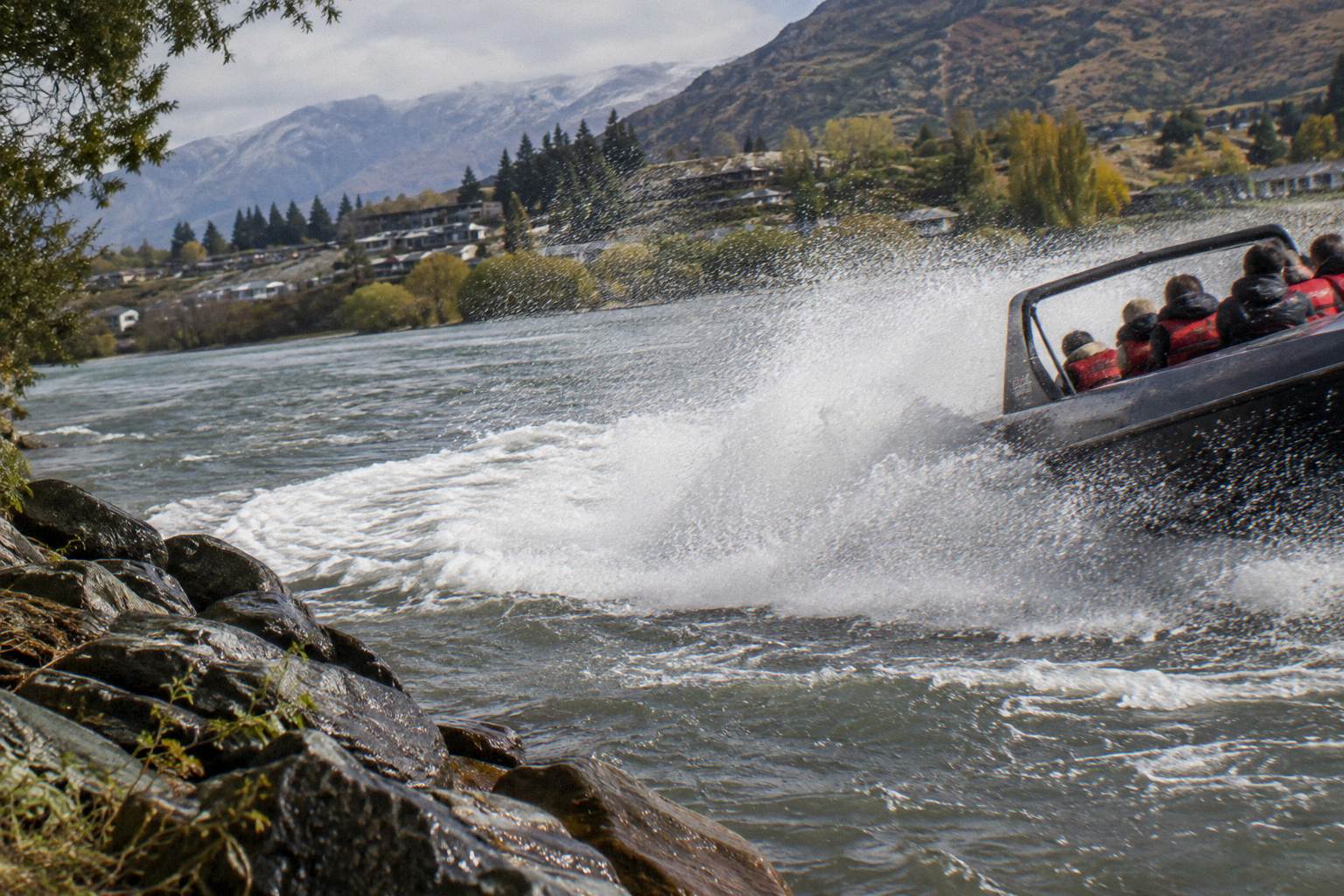
It is worth closing the loop on the original question one more time, because cancellation policy is indirect evidence about wetness. An operator that ran only in guaranteed-dry conditions could not advertise 365 days a year, weather permitting, in a district averaging 96 rainy days a year. KJet does advertise exactly that schedule, from its own FAQ. The reasonable inference is that rain and spray are normal operating conditions the boats and crews handle daily, and that the eco-poncho exists for passengers, not for emergencies.
The same regulatory frame applies wet or dry. Under Maritime Rules Part 82, commercial jet boat drivers on rivers must hold a New Zealand Commercial Jet Driver (River) Licence, Maritime NZ inspects boats and safety equipment and audits operations, and the operator's certificate must be displayed prominently at the operation, per the Maritime NZ rules page. Spray is a clothing question; safety is a licensed-and-audited system, and the FAQ advice on KJet's own site is the clothing half of that same briefing.
How Wet Is Too Wet: Choosing A Ride Around It
If avoiding water is the priority, the 60-minute pier rides are the calmer choice and the raft trip is the wrong one; if getting wet is the appeal, the raft trip is the right one. Price follows format, not wetness: the jet rides run from NZ$119 to NZ$199 per person, the raft-and-jet combination from NZ$329. None of the five promises dryness.
Format, not operator, is the real variable. The KJet 60-Minute Jet Boat Ride, from NZ$159 per person and rated 4.7 from 628 reviews spends an hour across three waterways with a base right on the town pier. The Thunder Jet 30-Minute Jet Boat Ride, from NZ$119 per person, rated 4.7 from 27 reviews, is the shorter, cheaper taste of the same idea from Steamer Wharf. The RealNZ trip is a different species: jet boat in, raft back, wetsuit supplied, showers waiting. The Shotover Jet Ride, from NZ$199 per person for 25 minutes, runs on a different river entirely and is covered here only as the adjacent comparison product.
| Ride | From price per person | Duration | Wetness published |
|---|---|---|---|
| KJet 60-Minute Jet Boat Ride | NZ$159 | 1 hour | No spray jackets; bring waterproof or eco-poncho |
| Thunder Jet 30-Minute Jet Boat Ride | NZ$119 | 30 minutes | Nothing published on jackets |
| Thunder Jet 1-Hour Ride | NZ$159 | 1 hour | Nothing published on jackets |
| RealNZ Kawarau Rafting And Jet Boat | NZ$329 | 4 hours 30 minutes | Wetsuit and rafting clothing included; wet by design |
| Shotover Jet Ride (Shotover River) | NZ$199 | 25 minutes | No spray jackets |
The table's message is that no operator on this water sells dryness. What they sell is a managed version of wet: life jackets, briefings, licensed drivers, and in KJet's case, a poncho for sale and drier seats it cannot promise. Readers comparing the two pier operators side by side can take that comparison further in the KJet versus Thunder Jet guide.
For the family reading this with children in mind, KJet's age rules matter as much as the wetness rules: children aged 5 to 14 pay a child fare and must ride with an adult, infants aged 2 to 4 ride free on a lap with one adult per infant, and under 2s cannot ride. A lap-sitting toddler is held by an adult who cannot work a zip one-handed, which is a stronger argument for the waterproof jacket than any spray forecast. The blog on whether kids can go on a KJet ride covers the age rules in full.
If, after all of this, the answer to the wetness question still feels unresolved, that is because the operator has left it unresolved. Bring the jacket, ask for a centre seat without counting on it, and let the rest be part of the hour. To compare the three formats most readers weigh, with live availability:
Common Questions About Getting Wet On A KJet Ride
Do You Get Wet On A KJet Ride?
KJet publishes no wetness promise in either direction. It does not provide spray jackets, advises bringing a waterproof jacket or buying an eco-poncho at the base, and notes centre seats are drier though seating cannot be guaranteed. Treat some spray as possible and dress for it.
Does KJet Provide Spray Jackets Or Waterproof Gear?
No. KJet's FAQ states spray jackets are not provided. Life vests are supplied and fitted, but the waterproof layer is yours to bring, or you can buy an eco-poncho at the base before departure.
Which Seats Are Driest On A KJet Boat?
KJet says centre seats are drier than the outer seats, but seating cannot be guaranteed. Ask the crew at check-in on the Main Town Pier; they allocate seats as the boat fills and will help where they can.
Does The KJet Ride Still Run In The Rain?
Yes. The booking page says rides operate rain or shine, and KJet advertises departures every hour on the hour from 10am to 6pm, 365 days a year, weather permitting. If KJet itself cancels for weather, it offers a rebooking or a full refund.
What Should I Wear To Stay Comfortable?
A waterproof jacket or an eco-poncho, closed shoes, and in winter sunglasses or goggles, a hat and gloves; the handrails are heated in winter. Sunscreen is advised year-round. Phones must be stored while the boat is moving.
If I Want To Actually Get Wet, Which Tour Should I Book?
The RealNZ Kawarau Rafting And Jet Boat Trip includes a wetsuit, rafting clothing, about an hour of rafting and hot showers, from NZ$329 per person for 4 hours 30 minutes. The jet boat leg of about 25 minutes is the transfer to the raft put-in.