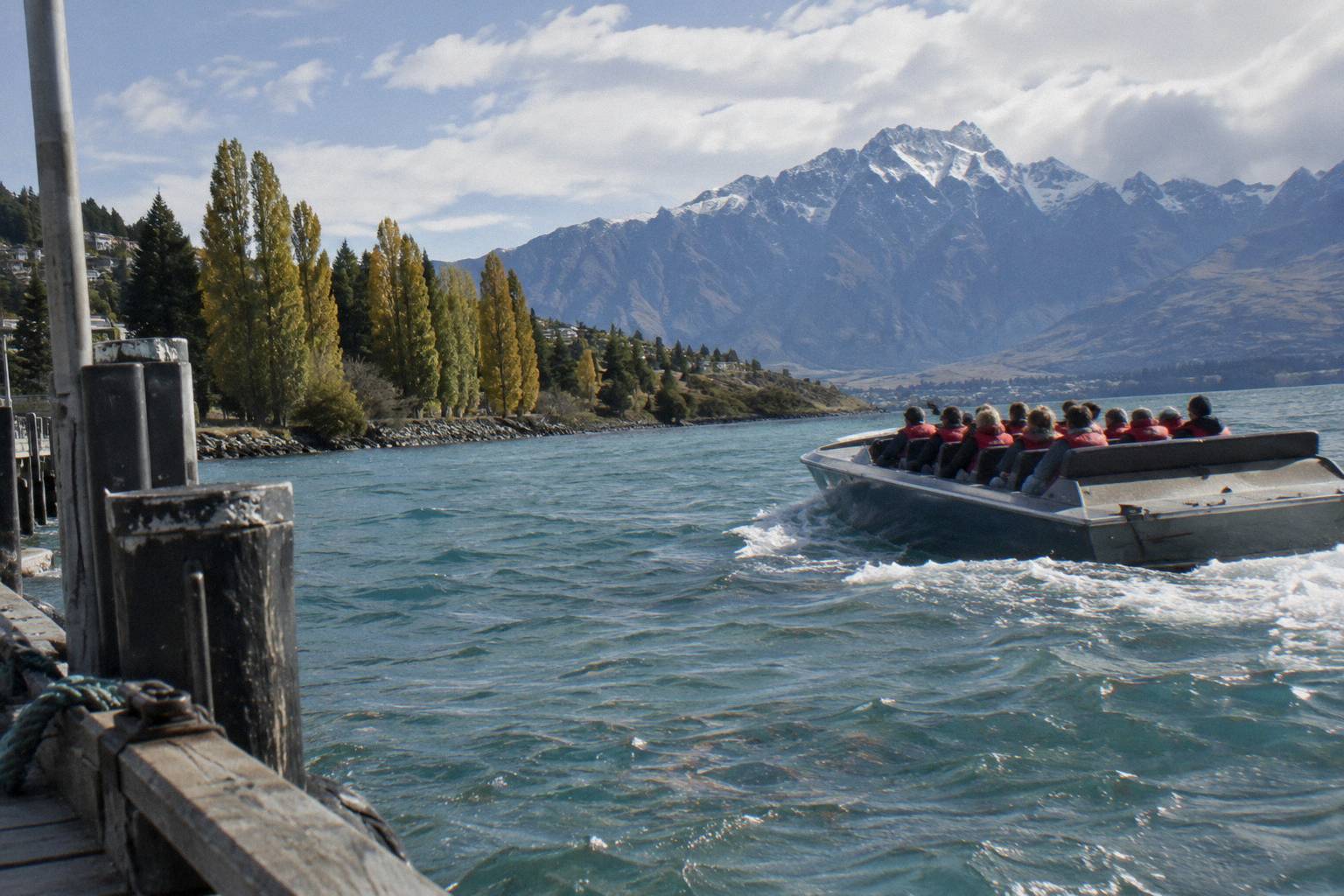
What Should You Wear On A KJet Ride?
A practical packing answer for the KJet 60-Minute Jet Boat Ride: the clothing KJet actually lists, what the operator does not provide, and how Queenstown's climate shapes the choice.
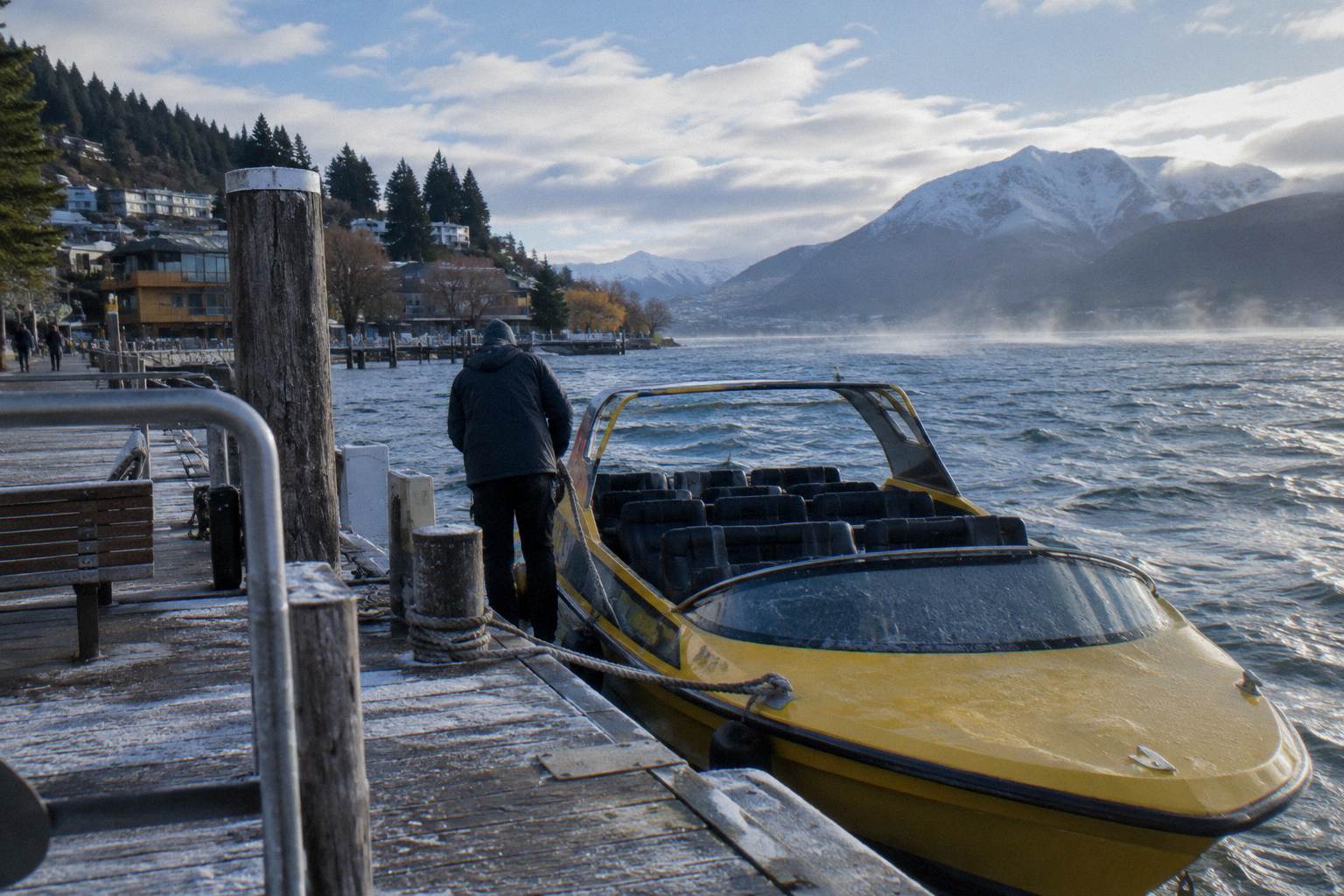
Wear closed shoes, and bring a waterproof jacket, because KJet does not provide spray jackets at all. Add sunscreen, and sunglasses or goggles in winter. Bring a hat and gloves in winter too. A life jacket is supplied and fitted at the pier. Dress for the season you arrive in: Queenstown's mean daily maximum runs from 22.0 °C in January down to 8.2 °C in July.
That is the short answer, and it comes almost entirely from KJet's own FAQ page, which is unusually specific about clothing compared with most Queenstown operators. The operator tells riders to bring a waterproof jacket or buy an eco-poncho at the base, to wear closed shoes, to use sunscreen, and to bring sunglasses or goggles and a hat and gloves in winter. Everything else on the page, from life jackets to heated handrails, is provided or built into the boat.
The reason the question matters so much here is the one thing KJet does not do. Spray jackets, the lightweight waterproof smocks many jet boat operators hand out at the pier, are not part of the KJet offer. If you arrive in a cotton hoodie on a day with spray on the river, you are the person in the photo gallery with the soaked shoulders. Planning around that single gap is most of the packing decision, and it takes five minutes at home versus an uncomfortable hour on the water.
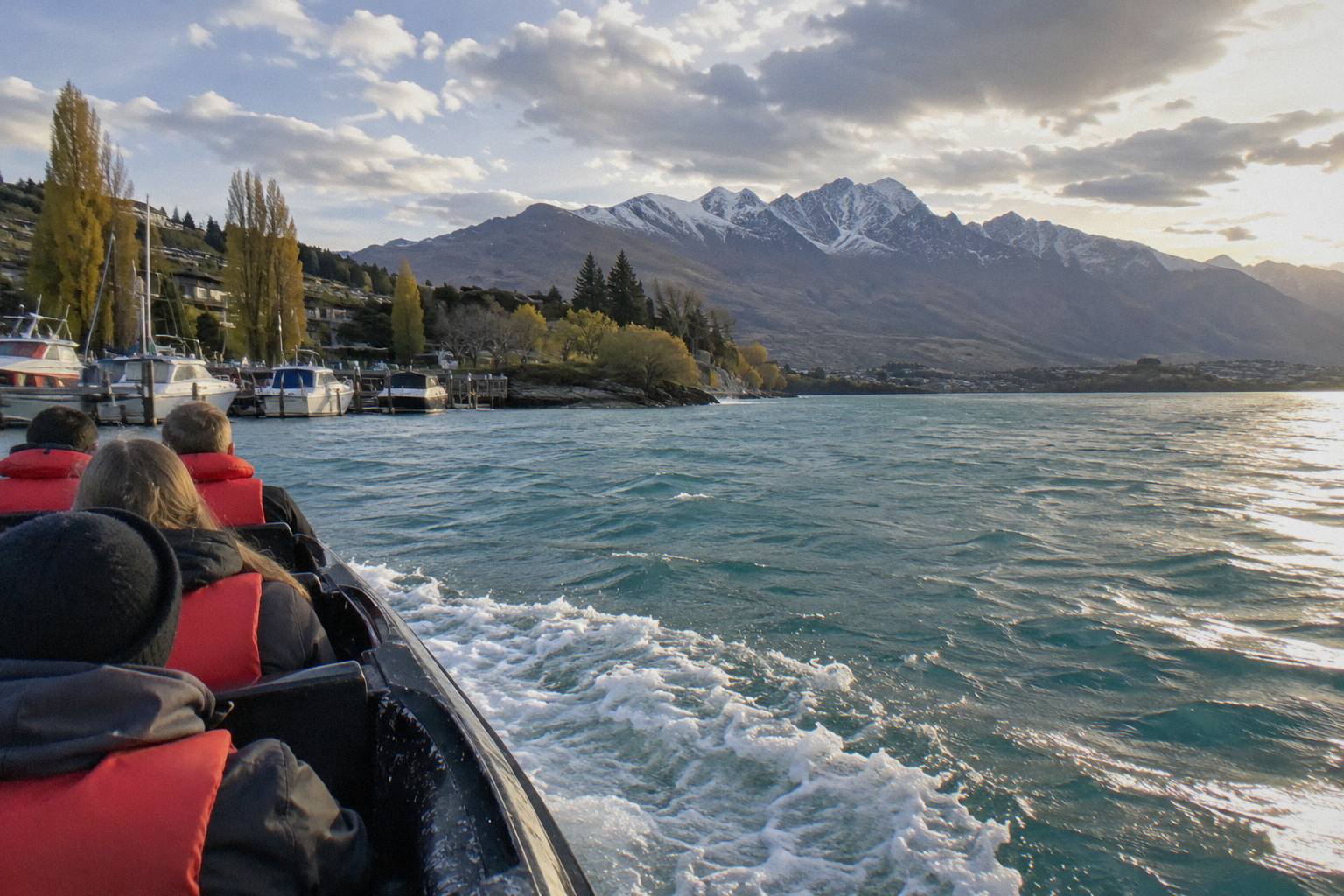
The ride itself is the KJet 60-Minute Jet Boat Ride, a one-hour trip from the Main Town Pier on Marine Parade in Queenstown Bay, from NZ$159 per person, rated 4.7 from 628 reviews.. The operator runs boats on Lake Wakatipu, the Kawarau River and the Shotover River, so you cross open lake water as well as river stretches, and wind on the lake is a real factor in what feels warm. The fare covers the ride, the driver and guide, life vests and a safety briefing; food, drinks, hotel pickup and photos are not included, which is one more reason your own pockets and jacket have to carry the day.
If you are still weighing the options, our comparison of which Queenstown jet boat to book covers the ride choices..
Why KJet Does Not Hand Out Spray Jackets
The operator's FAQ states plainly that spray jackets are not provided, and it offers two fixes: bring your own waterproof jacket, or buy an eco-poncho at the base. Life jackets are supplied. The booking page also notes that photos and videos are sold separately, so nothing wearable is bundled with the fare.
The operator does not give a reason for the no-jacket policy, so check the booking page before you go if you want one explained. What is documented is the wording itself, on the KJet FAQ page, which lists bring-and-wear items item by item. You can read the operator's own clothing guidance on the KJet site, and it is worth checking before you pack because it is the authoritative list. Shotover Jet, for comparison, also lists no spray jackets on its booking facts, so this is not a KJet quirk alone, and packing your own shell is simply good practice for any Queenstown jet ride.
The practical consequence is that your own shell layer does the work other operators' loaners would do. A proper waterproof jacket, one with a hood and cuffs that seal, is the single most useful item in the bag. A rain shell that lives in a daypack all trip earns its keep twice: once on the boat and once on any Queenstown evening, because the town's mean daily minimum drops below zero in June and July. The eco-poncho sold at the base is the fallback if you forget, and there is nothing wrong with that plan, but it is a fallback rather than a packing strategy.
KJet also notes that centre seats on the boat are drier, but that seating cannot be guaranteed, so do not build your clothing plan around being handed a good seat. Dress so that any seat is fine, and then a centre seat is a bonus rather than a rescue. Riders who follow the operator's list to the letter end up in exactly that position regardless of where they sit.
Wondering whether the slot you have works around all this? Free cancellation up to 24 hours before departure applies on the booking page, which gives you room to shift a ride if the forecast turns. Weather decisions, of course, ultimately sit with the operator: KJet's terms say it may cancel or amend for weather and then offers a rebook or a full refund, so a badly timed storm costs you the fare nothing.
What To Wear In Summer
For December through February, KJet's list still applies: closed shoes, sunscreen, sunglasses, and a waterproof jacket rather than a spray jacket. NIWA records at Queenstown Airport put the mean daily maximum at 22.0 °C in January, but the mean daily minimum the same month is 9.9 °C, so a summer morning on the lake is colder than the afternoon suggests.
Summer riders mostly underdress for the boat and overheat walking around town afterwards. The trick is layers you can shed. A t-shirt under a light fleece under your own waterproof shell covers the pier queue, the ride and the rest of the waterfront day, and each layer comes off in seconds at the shore. NIWA records at Queenstown Airport show 236.9 sunshine hours in January against 69.3 in June, so summer sun is real, and sunscreen is on the operator's list for a reason: an hour on open water at speed is a full-body sun exposure event, not a stroll, and reflections off the lake reach the underside of your chin and nose.
Sunglasses matter more than most visitors expect in every season, and in summer they are as much about glare off Lake Wakatipu as about style. The lake sits in a mountain basin, and flat water at midday throws light upward. A strap or retainer helps, though KJet asks that cameras and phones be stored while the boat is moving, with hands-free mounted action cameras only and no selfie sticks, so treat loose accessories with the same caution. Sunglasses without a strap have a way of becoming donations to Lake Wakatipu.
Footwear is the quiet rule. Closed shoes are the operator's stated requirement, and sandals or jandals on a wet pontoon are a slipping hazard. Trainers or light hiking shoes are the standard choice and dry fast, which matters if the rest of your day continues around town. If your day pairs the ride with a wander through Queenstown, our guide to a Queenstown waterfront day around a KJet ride shows how the packing list and the itinerary fit together, from the pier to the gardens and back.
- Thunder Jet 30-Minute RideNZ$119
- KJet 60-Minute RideNZ$159
- Thunder Jet 1-Hour RideNZ$159
One more summer note worth planning around: departure timing. KJet says boats leave every hour on the hour from 10am to 6pm, 365 days a year, weather permitting, so a summer holiday can absorb a late morning slot without losing daylight, with January daylight averaging 15.2 hours. That flexibility means you can pick the warmest part of the day and pack lighter for it, which is a genuine summer advantage.
Layer strategy works best when it matches your departure slot. A 10am start will feel closer to the 9.9 °C January minimum than the 22.0 °C afternoon maximum, so wear all three layers on board and strip them off at the shore. Book the early afternoon instead and you can board in a t-shirt and shell, with the fleece rolled into a small daypack that carries the sunscreen for the rest of the day too.
Sunscreen logistics deserve a minute of thought as well. Put it on before you reach the pier queue, and cover the spots this ride specifically exposes: under the chin, along the nose, the part line and the backs of hands. A stick formulation is easier than a bottle on a breezy pontoon, and reapply once you are back on shore if the waterfront wander is next on the list.
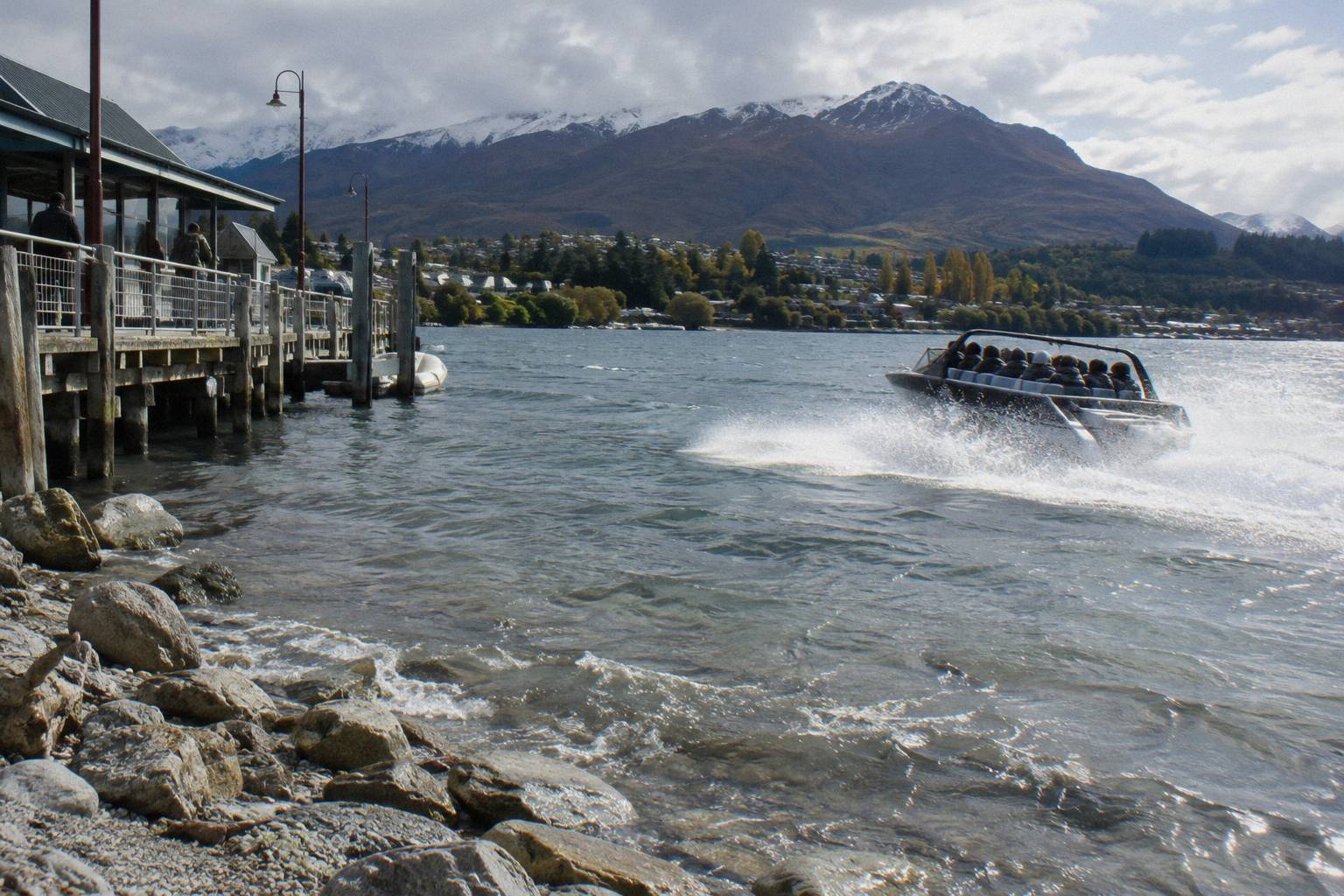
One last shortcut: the waterproof shell you pack is doing two jobs. It is your spray protection for the hour on the water and your wind layer for the speed between, so the same jacket serves the pier, the ride and everything after. Pack one, not two.
| Item | Why KJet lists it | Season it matters most |
|---|---|---|
| Waterproof jacket | Spray jackets are not provided; the jacket is your spray protection | All year |
| Closed shoes | Required footwear; wet surfaces at the pier | All year |
| Sunscreen | Open-water sun exposure over a one-hour ride | Summer especially |
| Sunglasses or goggles | Glare and wind at speed on the lake | Goggles in winter |
| Hat and gloves | Warmth on open water and in winter wind | Winter |
| Swimsuit and towel | Not needed for KJet; listed for the rafting combo trip | Raft trips only |
What To Wear In Winter
From June to August, pack for a mean daily maximum of 8.2 °C in July and a mean daily minimum of -1.4 °C, per NIWA records at Queenstown Airport. KJet's winter answer adds goggles or sunglasses, a hat and gloves, and notes that the winter handrails are heated. The same waterproof jacket rule applies, and it matters more now.
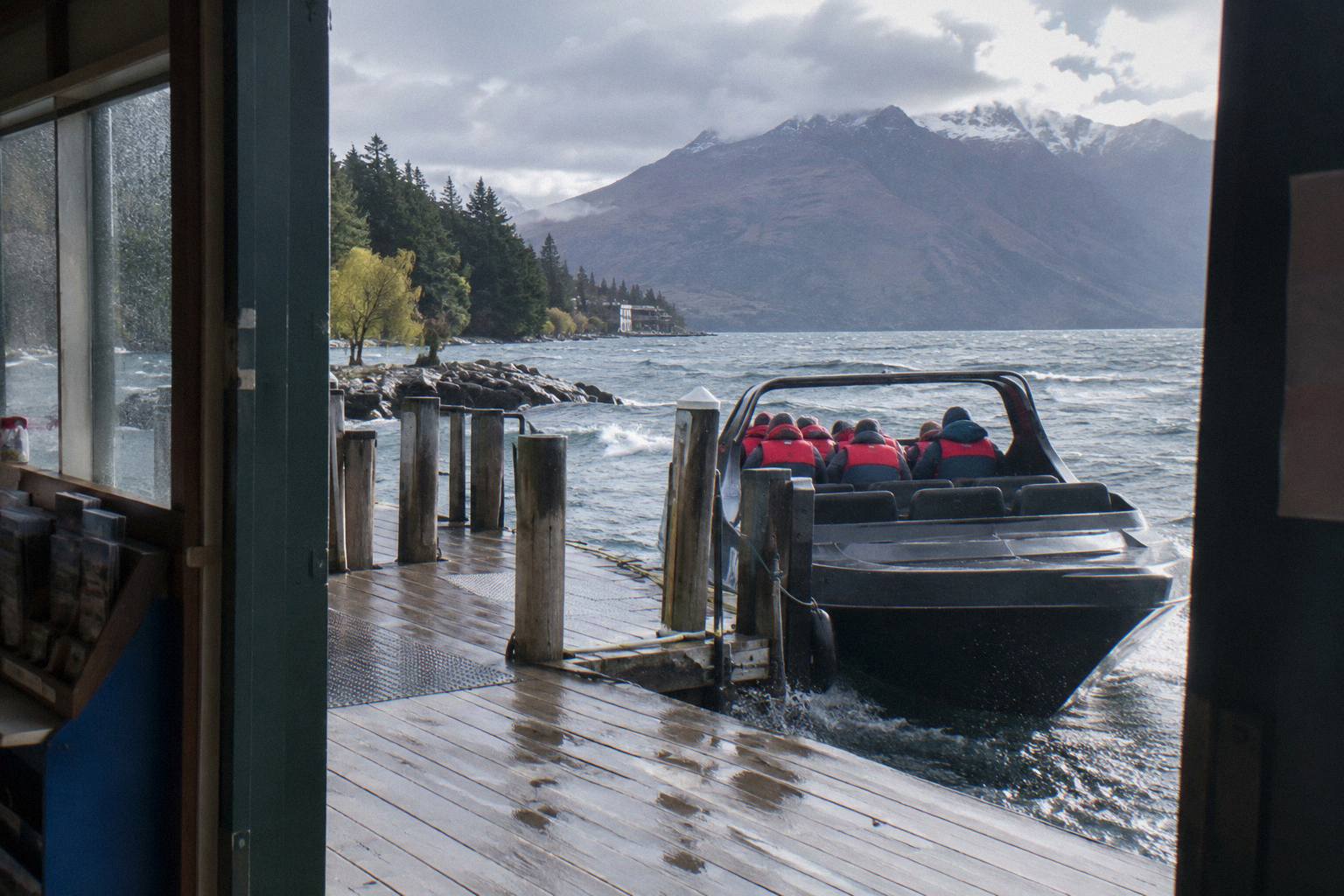
Winter riders sometimes assume a boat ride in Queenstown in July is a miserable idea and pack like an expedition. It is closer to a ski-field base layer problem. Warm layers under your waterproof shell, a beanie, and real gloves are the core of it. The heated handrails are the operator's own winter comfort note from its FAQ, and they change the hand situation entirely: you can hold on comfortably rather than enduring it, which also matters for the operator's rule that guests hold the handrail and brace with their feet.
Goggles over sunglasses is a genuine winter question. KJet lists either, and the deciding factor is wind on the eyes at speed. If you already own ski goggles, bring them; if not, close-fitting sunglasses with a strap do the job, and many riders who come to Queenstown for the ski fields simply reuse the kit they already packed. The same storage rule applies to everything loose: stored while moving, mounted action cameras only.
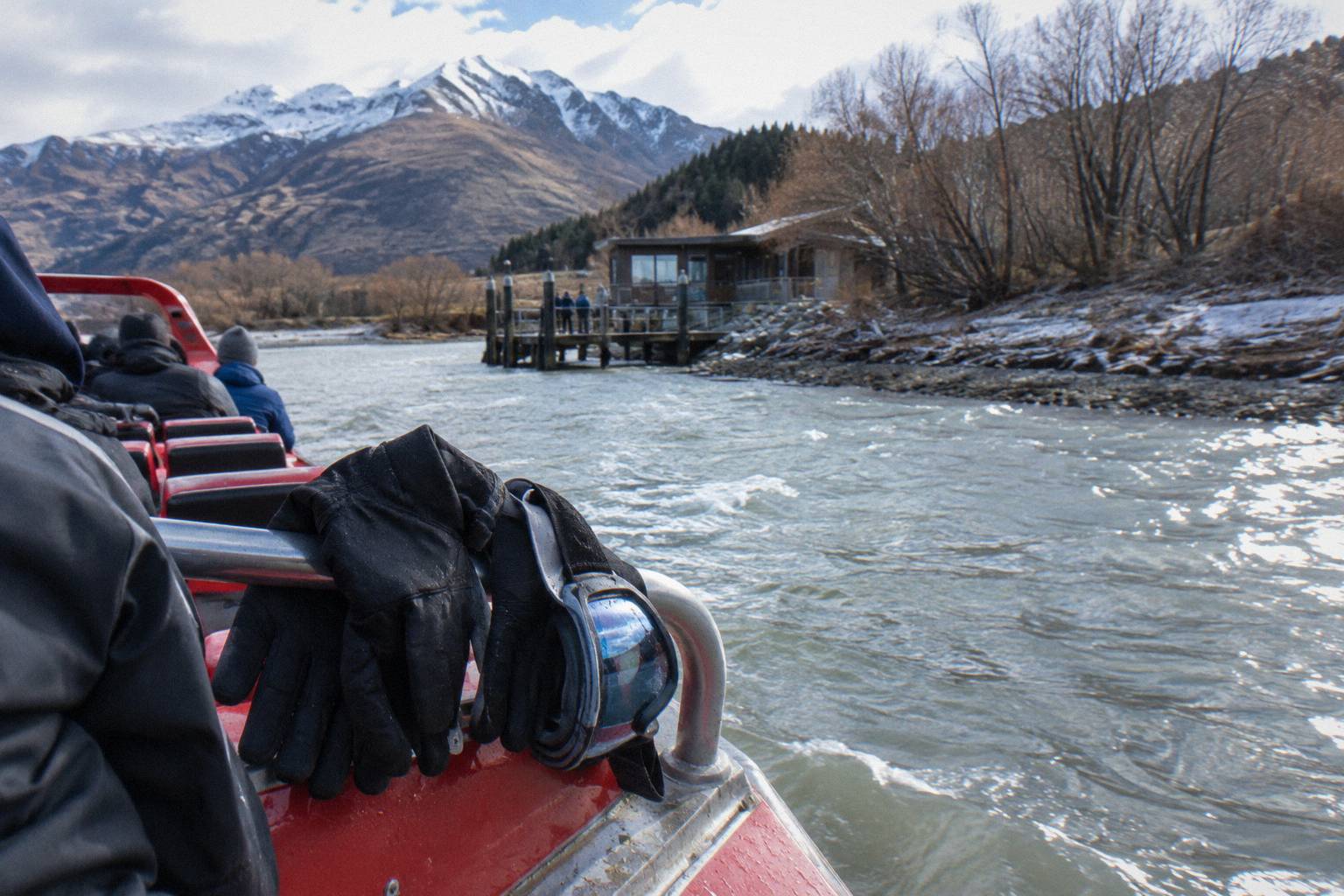
Daylight is the winter constraint worth knowing when you book rather than pack: mean daily daylight runs 9.2 hours in July against 15.6 hours in December. KJet says boats leave every hour on the hour from 10am to 6pm, 365 days a year, weather permitting, so a midday winter departure makes the most of both light and warmth, and the 10am and 11am slots are the coldest seats on the calendar. Gloves are not optional at that hour in July. Our piece on winter jet boating on the Kawarau goes deeper on the season, and the ride below is the one all this clothing advice is built around.
How Queenstown's Climate Shapes The Packing List
NIWA records at Queenstown Airport give the town a yearly rainfall of 721 mm spread over 96 rainy days, so a wet departure is possible in any month. The mean daily maximum spans 22.0 °C in January down to 8.2 °C in July, a 14-degree swing that no single outfit covers. Pack for the month, not for a generic "New Zealand summer".
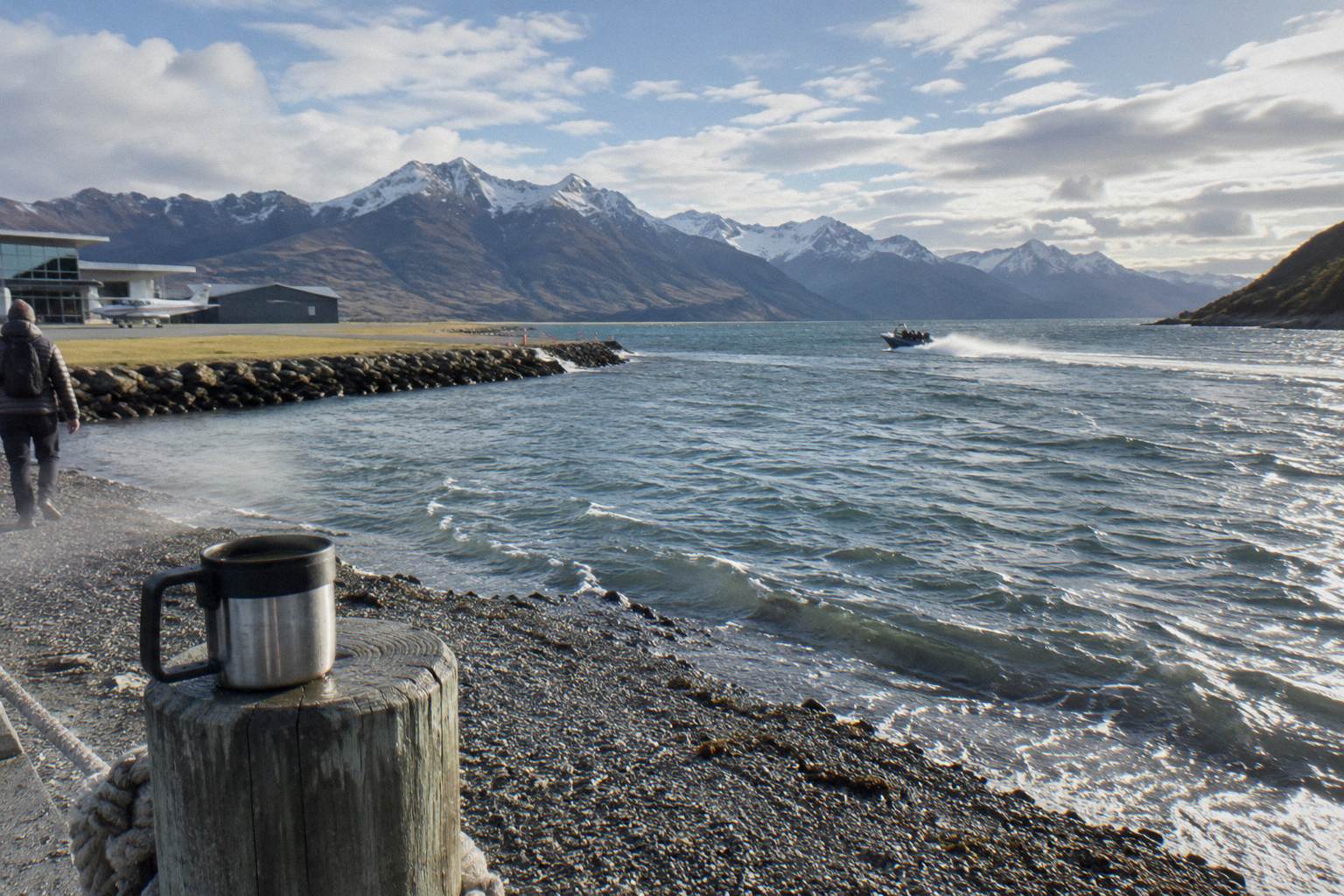
Rain itself rarely stops a ride, and the Queenstown Lakes District Council's jet boating page confirms the river speed environment operates year round under its navigation bylaw. KJet's own terms note the operator may cancel or amend for weather, offering a rebook or a full refund when it does. In ordinary rain you ride, which is precisely why the waterproof jacket leads the list in every season: a shower at 60 minutes' duration with no spray jacket provided is simply an uncomfortable hour if you dressed wrong.
| Month | Mean daily max (C) | Mean daily min (C) | What that means for the boat |
|---|---|---|---|
| January | 22.0 | 9.9 | Light layers plus sunscreen and sunglasses |
| March | 19.1 | 7.3 | Same as summer, add a warm layer for morning rides |
| May | 11.9 | 2.3 | Fleece plus waterproof shell, gloves from here on |
| July | 8.2 | -1.4 | Full winter kit, hat, gloves, goggles |
| September | 13.0 | 2.4 | Spring swings both ways, layer generously |
| November | 17.5 | 6.2 | Back toward summer kit, keep the shell |
The table is a planning guide drawn from station normals, not a forecast, and it deliberately shows shoulder months. A rider in May or September faces the widest real-world swing: a warm afternoon departure and a cold evening one, two days apart, in the same week. Layers solve that, and the shell you bring for spray does double duty as your rain jacket for the rest of a Queenstown day. The numbers are station normals measured at the airport, too, which runs cooler than the lakeshore, so the town itself can feel a touch milder than the table suggests on a calm afternoon.
One clothing-adjacent rule from the FAQ deserves its own mention: pregnant passengers cannot ride, and the operator asks that guests be able to hold the handrail and brace with their feet, or bring a support person. Clothing cannot change those rules, but knowing them before you choose a day saves a wasted trip to the pier. Our guide on jet boating while pregnant or with health conditions covers the detail, and if a full clothing-plus-warmth plan sounds like more adventure than you wanted, the pairing below shows what a shorter or a longer format does to the packing problem.
Footwear, Cameras And Everything In Your Pockets
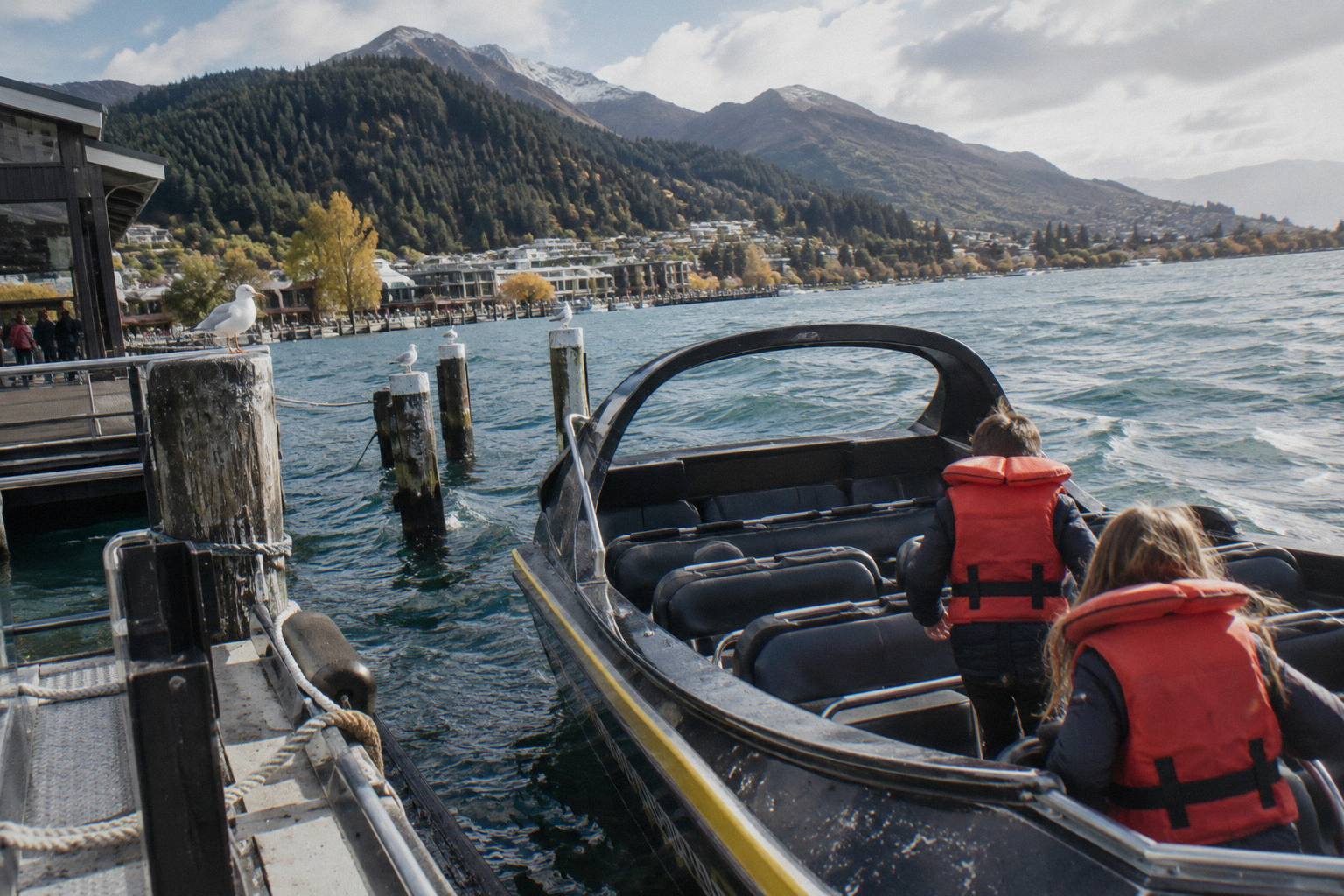
Closed shoes are the stated footwear rule. Cameras and phones must be stored while the boat is moving, with hands-free mounted action cameras only and no selfie sticks. Life jackets are fitted at check-in in sizes up to 4XL, and sitting versus riding on a lap for young children is decided by staff there, so arrive with everything loose already secured.
Pockets are the enemy on a jet boat. Anything that can fall out at speed will want to, so the pre-boarding routine is simple: phone zipped into an inside pocket or left with a non-riding friend, hat either snug or stowed, sunglasses on a strap. KJet does not promise photos of your ride on its current pages, so if you want a picture of the day, the mounted action camera is the one option the operator's rules allow while moving. A zip-lock bag inside a zipped pocket has saved many a phone from a splash that a hoodie pocket welcomed in.
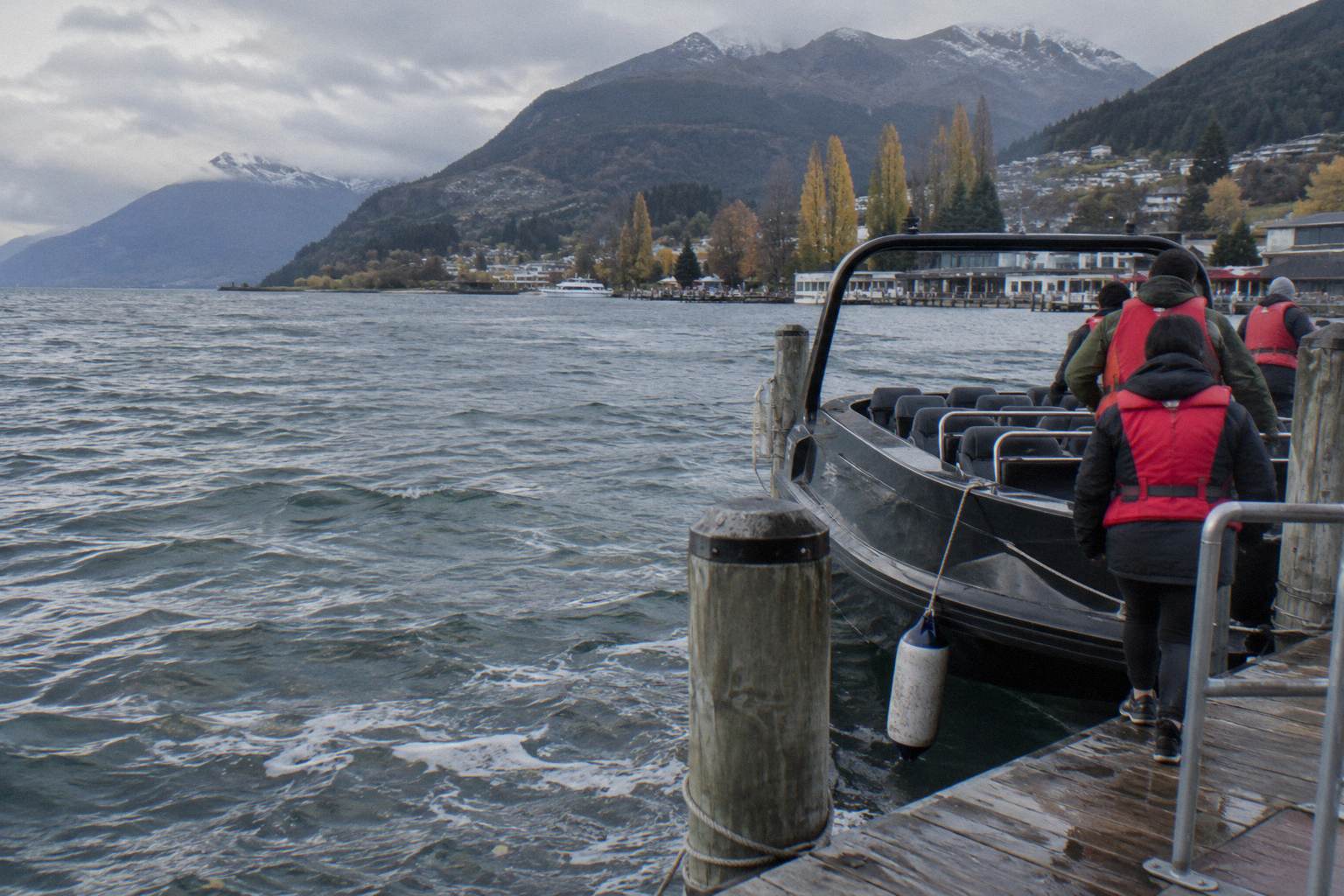
Footwear deserves the last word because it is the item people get wrong. "Closed shoes" rules out sandals, jandals and anything that needs to dry out afterwards. It does not require boots. A pair of trainers you do not mind getting damp is the standard answer in every month, and in winter the same trainers with warm socks outperform most fashionable alternatives. If you are riding with children, the age rules are worth a separate read in our guide to jet boat rides with kids and age rules, because clothing for a lap-riding four-year-old is a different problem again: infants 2 to 4 ride free on a lap, one adult per infant, and a warm layer for the adult covers the child's front for most of the hour.
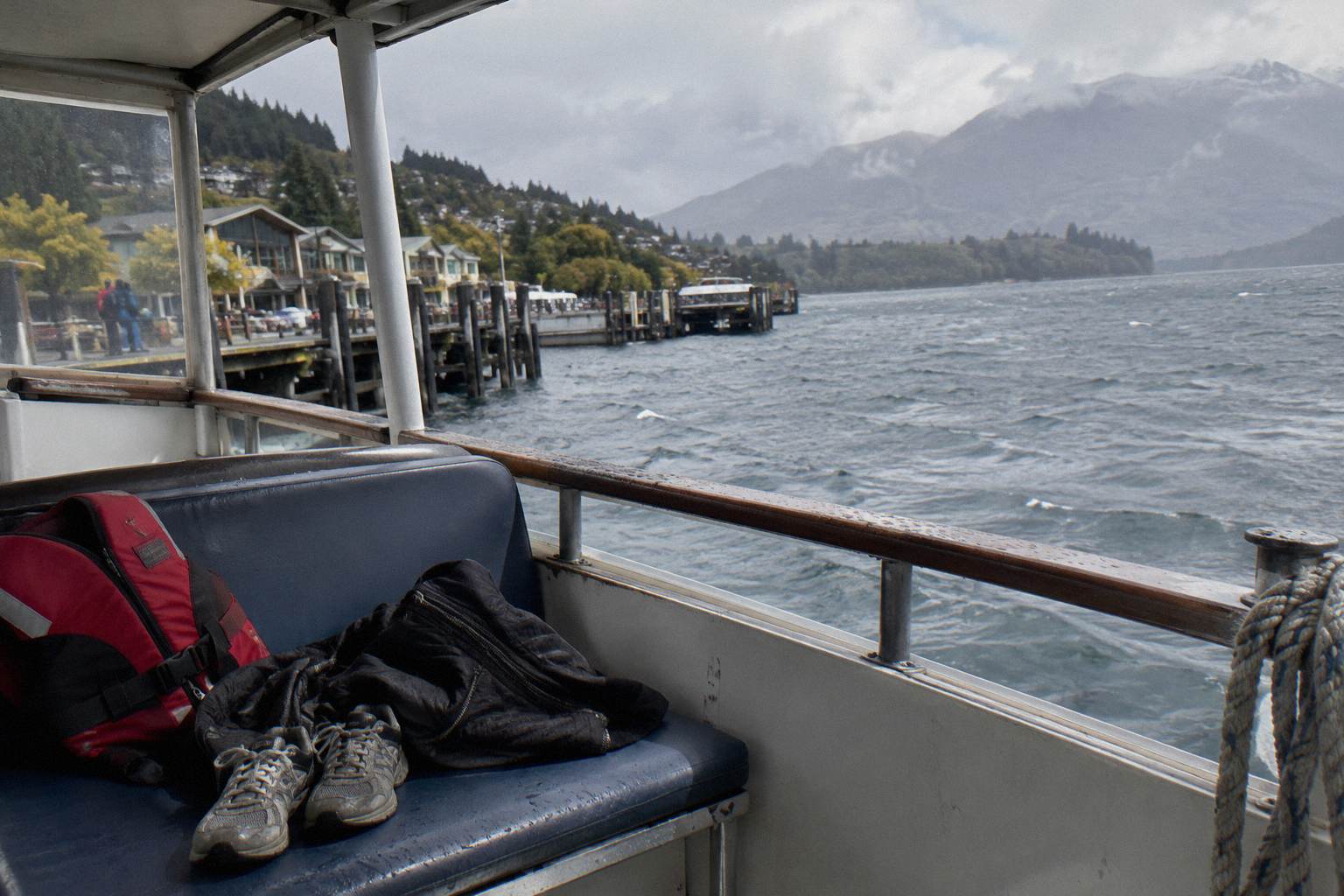
For riders who want the full water experience rather than dressing to dodge it, a different format changes the list entirely. The RealNZ Kawarau Rafting And Jet Boat Trip, from NZ$329 per person and rated 4.9 from 184 reviews, includes wetsuits and rafting clothing, hot showers and snacks, and asks you to bring a swimsuit and towel instead. The jet boat leg is the transfer to the rafting put-in on that trip, not the main event, and the whole outing runs about 4 hours 30 minutes from the RealNZ Visitor Centre at 88 Beach Street. Our what to wear guide for Queenstown jet boating covers the shared kit in more detail. Dress guidance can differ depending on the trip, so check the clothing notes for your chosen ride at Kawarau River Jet Boats before you head out.
Common Questions About What To Wear On A KJet Ride
What Should You Wear On A KJet Ride?
Wear closed shoes and bring a waterproof jacket, because KJet does not provide spray jackets. Add sunscreen, and in winter add sunglasses or goggles, a hat and gloves. Life jackets are supplied and fitted at the pier, and the winter handrails are heated.
Does KJet Provide Jackets Or Ponchos?
No spray jackets are provided. Bring your own waterproof jacket or buy an eco-poncho at the base, per the operator's FAQ. Life jackets are provided for all riders.
Do You Get Wet On The Ride?
No wetness figure is published beyond the jacket advice. KJet notes that centre seats are drier but that seating cannot be guaranteed, so dress as if spray is possible.
What Shoes Should You Wear?
Closed shoes are the operator's stated rule. Trainers or light hiking shoes are the usual choice; sandals and jandals are unsuitable for wet pier surfaces.
Can You Bring A Camera Or Phone?
They must be stored while the boat is moving. Hands-free mounted action cameras are the only camera allowed in use, and selfie sticks are not permitted.
Is Winter Clothing Different?
Yes. KJet's winter list adds goggles or sunglasses, a hat and gloves, and the winter handrails are heated. NIWA records at Queenstown Airport put the July mean daily maximum at 8.2 °C, so warm layers under your waterproof shell are the baseline.