A Queenstown Waterfront Day Around A KJet Ride
A one-hour jet boat ride from the Main Town Pier is a natural anchor for a day on the Queenstown waterfront. Here is how the pieces fit together.
Short answer
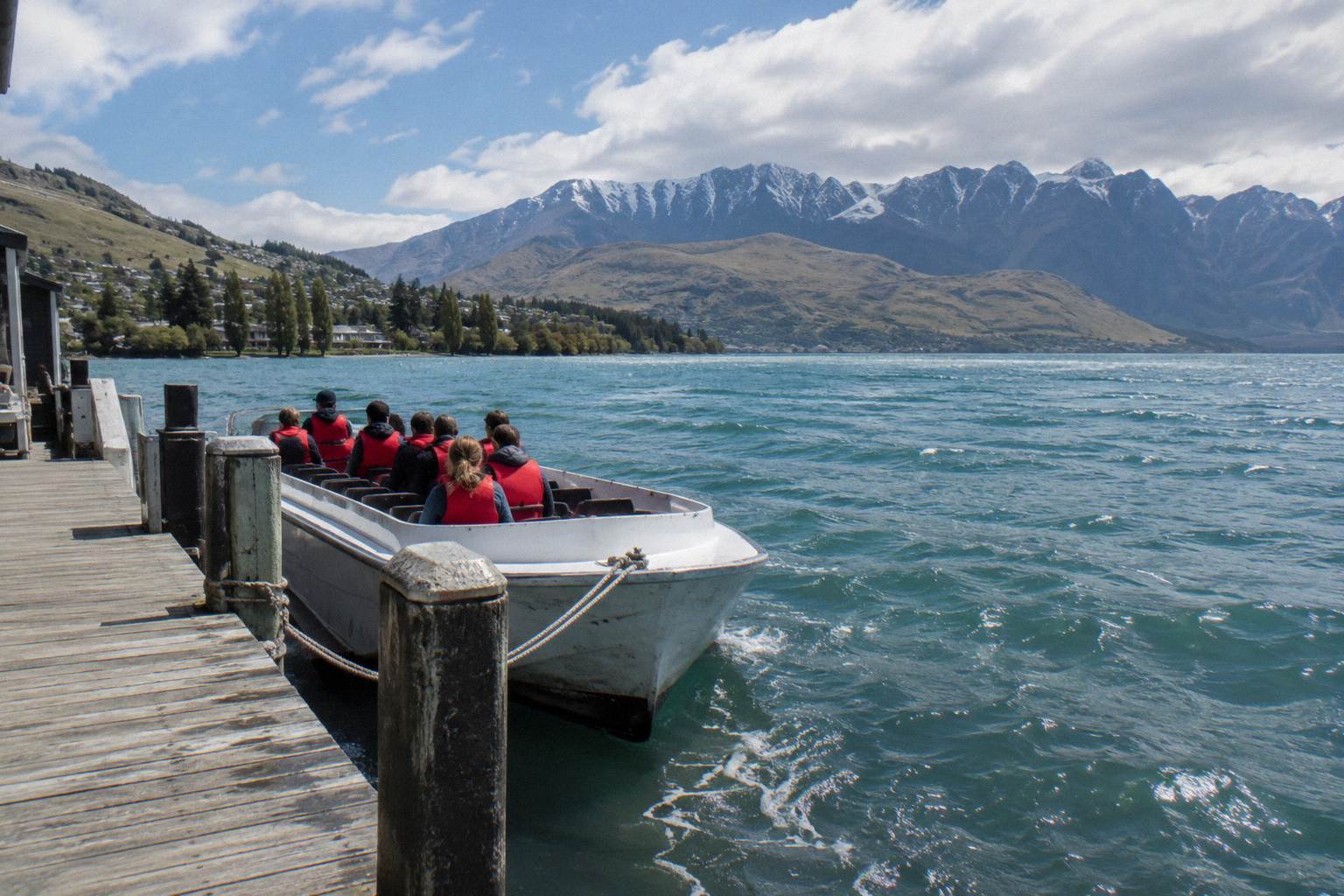
KJet says boats leave the Main Town Pier every hour on the hour from 10am to 6pm, all year, weather permitting. A ride costs from NZ$159 per person, lasts 1 hour, and the pier, Steamer Wharf and Beach Street sit together on the waterfront, which makes sequencing the day straightforward.
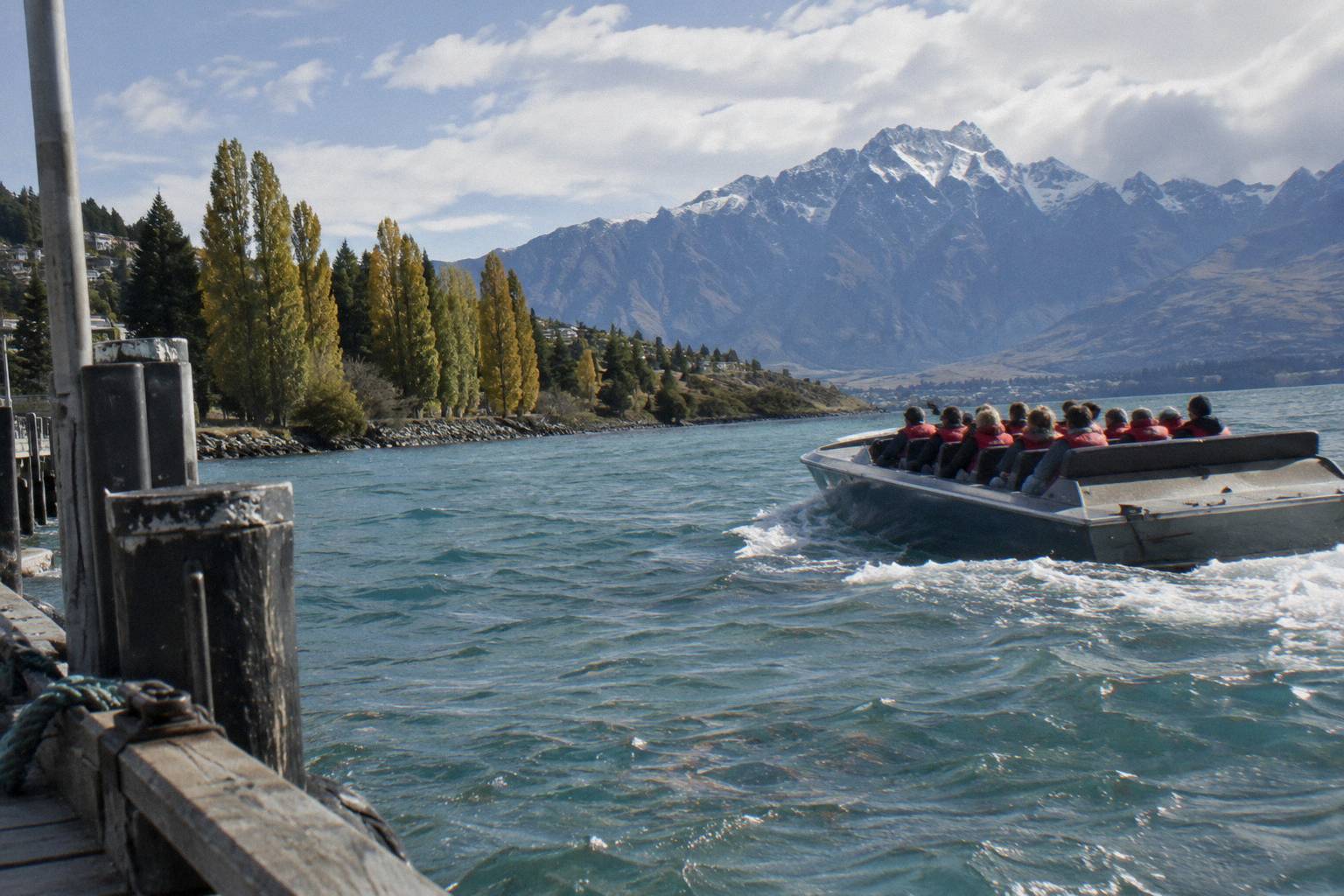
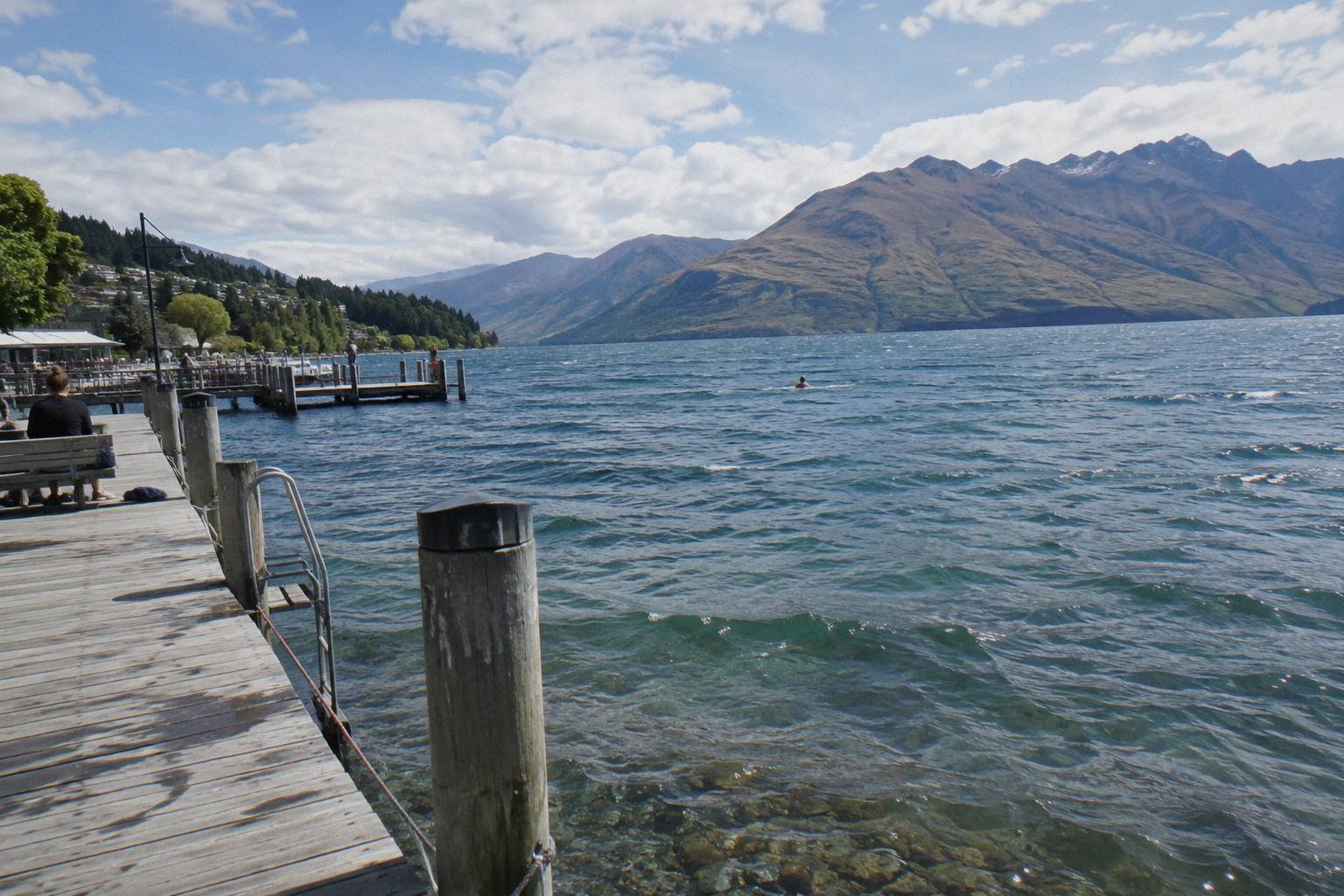
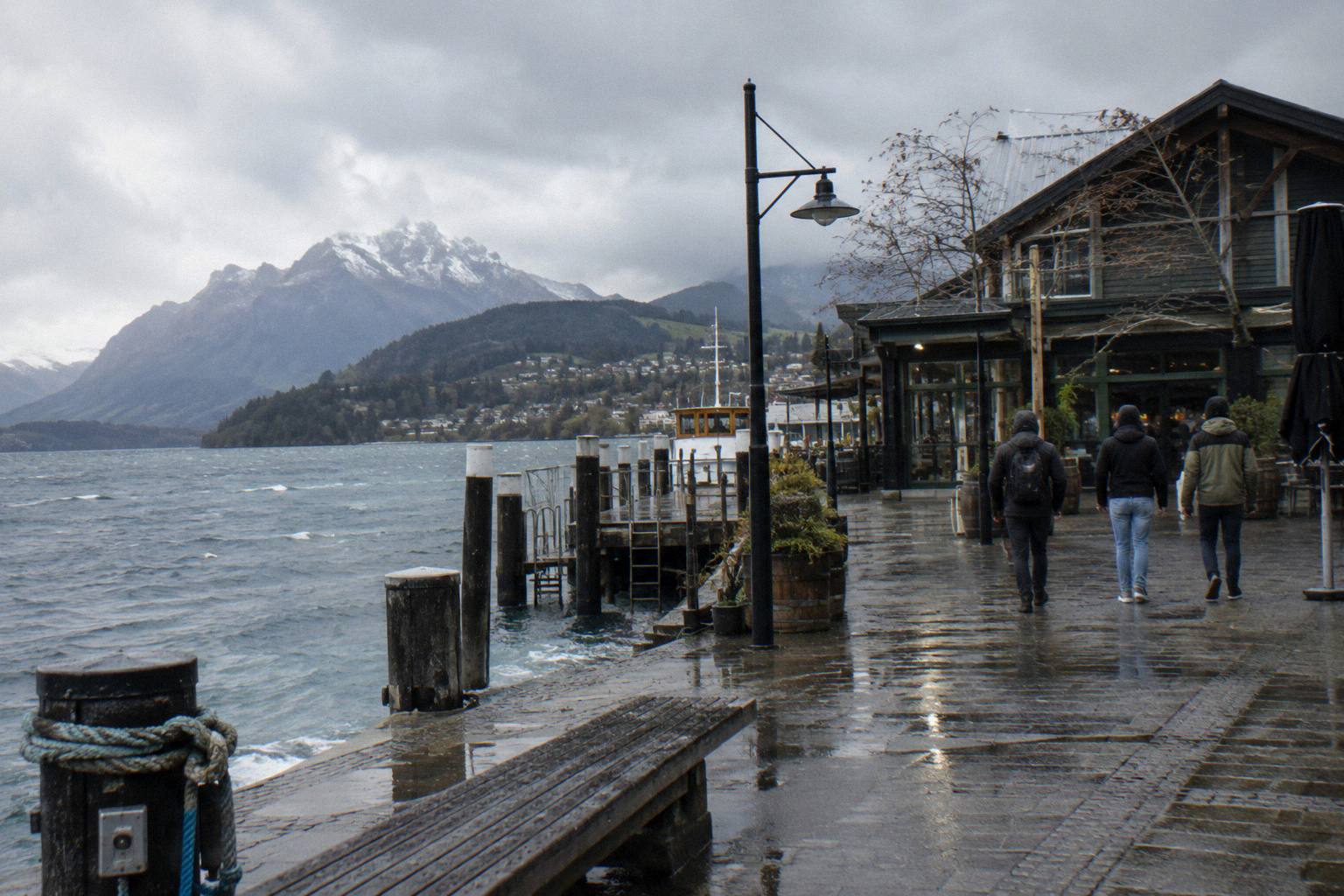
The Queenstown waterfront is compact in the way that matters for planning: the Main Town Pier on Marine Parade, Steamer Wharf at 88 Beach Street, and the beach-front strip between them are all part of one continuous bay. KJet says its boats leave the Main Town Pier every hour on the hour from 10am to 6pm, 365 days a year, weather permitting. That single pattern is the backbone of a waterfront day, because every other decision, when to arrive, when to eat, when to walk the wharf, hangs off the hour you choose.
Where Does The KJet Ride Fit On The Queenstown Waterfront?
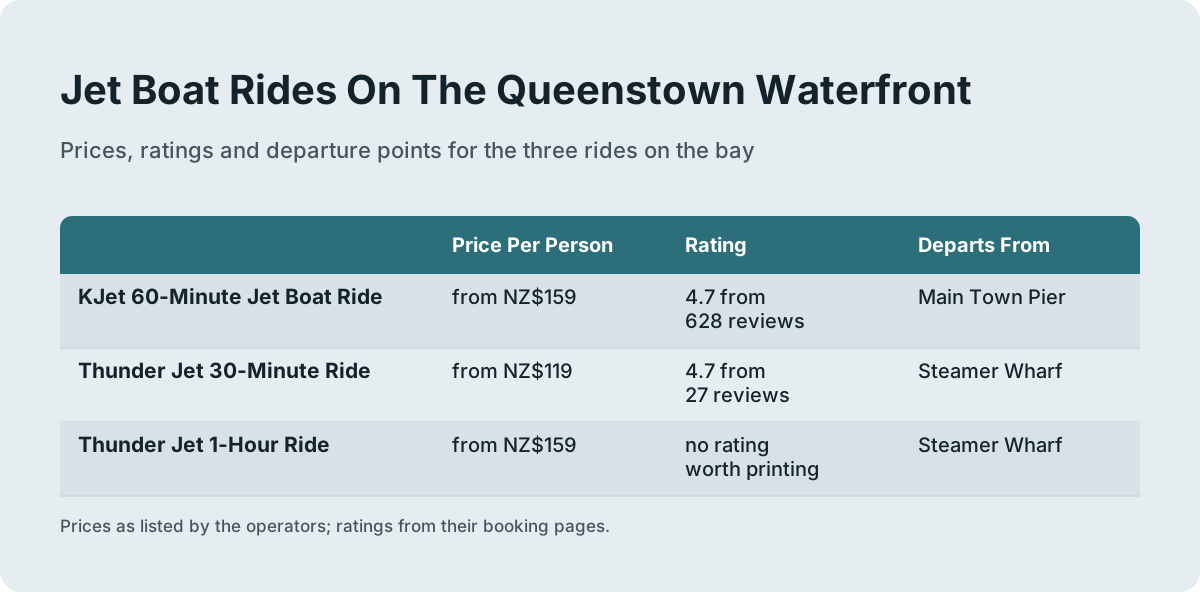
The KJet 60-Minute Jet Boat Ride leaves from the Main Town Pier on Marine Parade in Queenstown Bay, costs from NZ$159 per person and is rated 4.7 from 628 reviews. Thunder Jet's kiosk sits on Steamer Wharf at 88 Beach Street, and the RealNZ Visitor Centre is at the same street address, so the three booking points of the waterfront sit on one short stretch of bay.
KJet names three waterways on its ride: Lake Wakatipu, the Kawarau River and the Shotover River. The route length, the order of the waterways and what you will see along them are not published, so the ride itself is not described beyond that. What is published, and what actually helps you plan, is the geography of the departure point and the clock.
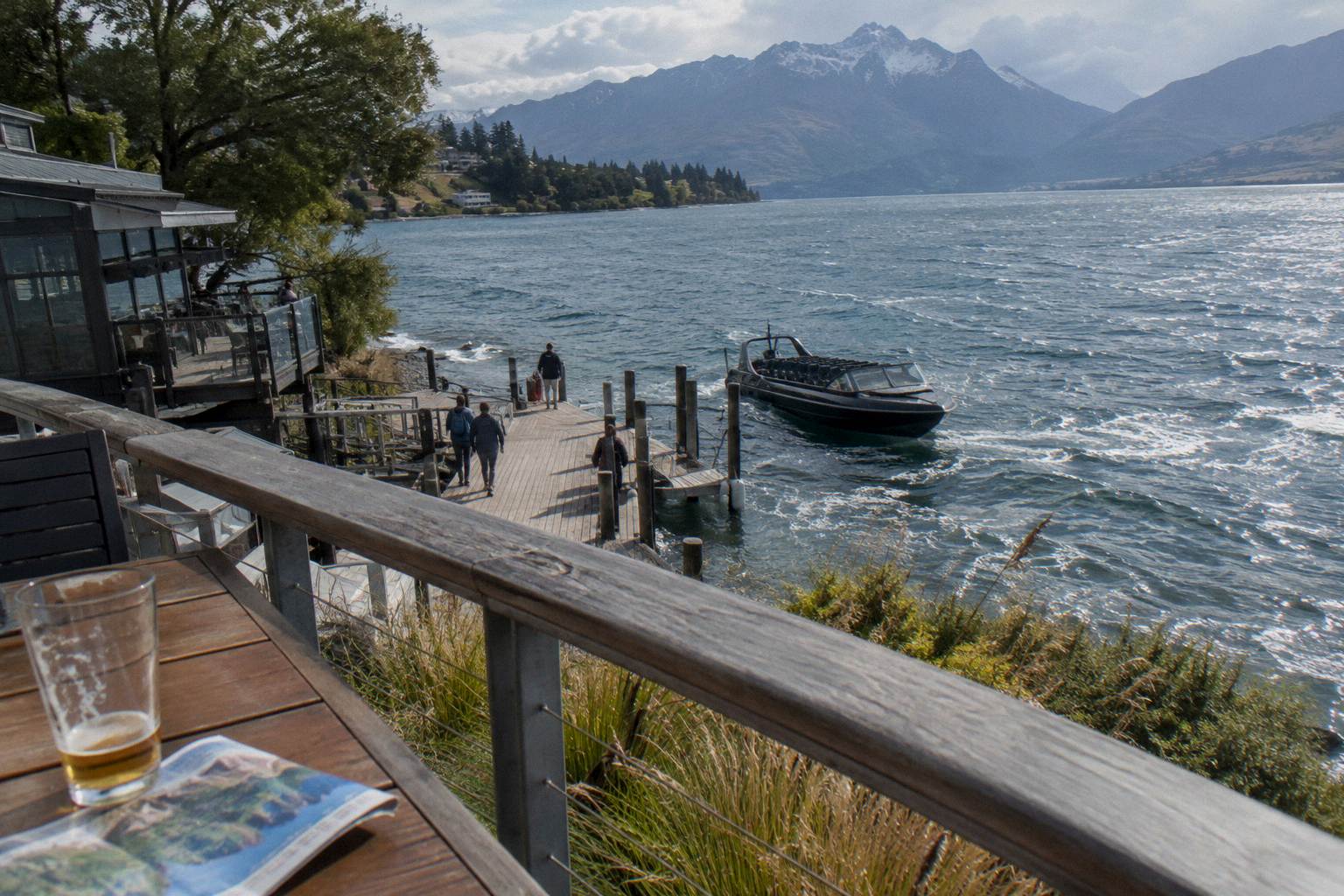
The pier itself anchors the eastern end of the waterfront experience. Marine Parade runs along Queenstown Bay, and the Main Town Pier extends out over the lake from it. That is where you check in, where the safety briefing happens, and where the boats come and go on the hour through the day. If your question is more about the ride than the day around it, the KJet pier route and ride guide covers the waterways, and the KJet reviews guide unpacks what the 628-review pool actually says.
One thing worth knowing before you plan: KJet does not provide spray jackets. Bring a waterproof jacket, or buy an eco-poncho at the base. Life jackets are supplied. The full clothing logic sits in the what to wear on a jet boat ride in Queenstown guide, but the short version for a waterfront day is a layer you can shed at the pier and carry for the rest of the afternoon.
Because the booking point, the briefing and the boat all sit at one pier, the KJet ride also has the smallest logistical footprint of anything you might do on the bay. There is no transfer to arrange, no second address to find, no window of travel time eating into your block. That is a real advantage when the rest of the group is scattered between the wharf, the beach strip and the observatory, and it is why the pier works as the anchor of the day rather than just one stop among several.
- Thunder Jet 30-Minute RideNZ$119
- KJet 60-Minute RideNZ$159
- Thunder Jet 1-Hour RideNZ$159
How Do The Hourly Departures Shape The Day?
KJet says boats leave every hour on the hour from 10am to 6pm, 365 days a year, weather permitting, which gives you nine departure hours to choose from on a normal day. The regional tourism page lists KJet office hours of 9am to 7pm and says the operator runs on Christmas Day from 10am. Every plan in this article is built by slotting activities between those fixed hourly marks, not by inventing timings.
This is the whole planning trick, and it is worth stating plainly: an hourly departure pattern converts a waterfront day from a list of things into a timetable you can hold in your head. Arrive before your hour, ride for the hour, and you step back onto the pier on the hour an hour later. From there the rest of the day falls into blocks. The booking page shows the departure for your date during booking, and no seat, start or return time can be promised for any specific hour, because those are booking-page facts, not planning assumptions.
Two family rules matter for slotting people in. Riders need to be age 2 and over; under 2s cannot ride, infants aged 2 to 4 sit on an adult lap, and the child fare runs from ages 5 to 14 per KJet. If that raises questions for your group, the jet boat rides with kids and age rules guide covers the detail, and there is a shorter answer in the can kids go on a KJet ride post.
Different lengths, different prices, all leaving from this one stretch of bay.
What Does A Morning Around The First Departures Look Like?
Take a 10am or 11am departure and the ride finishes on the hour before midday, which leaves the whole afternoon free on the waterfront. KJet says the first boat of the day leaves at 10am; the regional tourism page lists office hours from 9am, so there is a check-in window before the first departure. This is the block to choose if the rest of your day is open-ended, because nothing after noon is constrained by the ride.
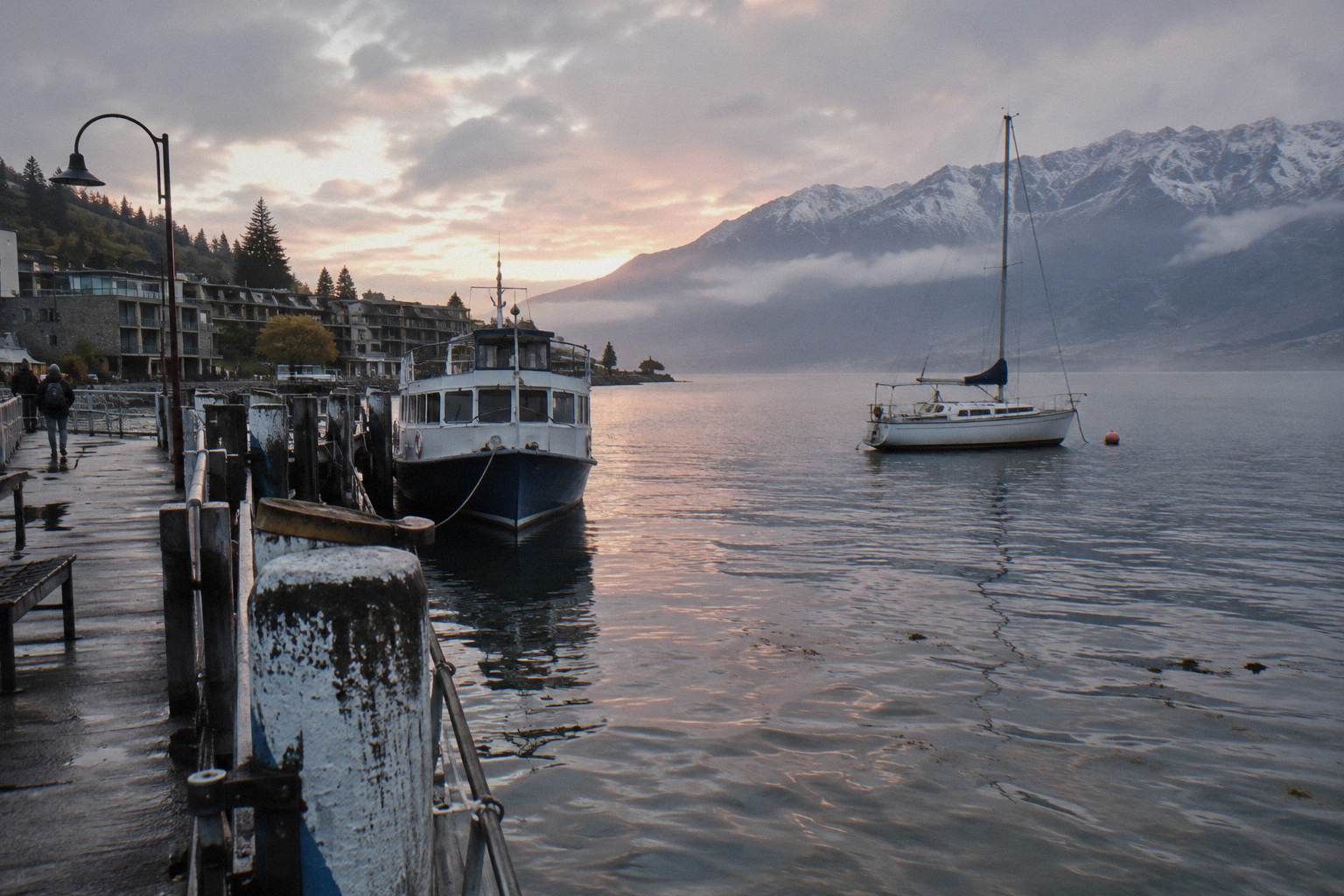
The pier has one other attraction worth sequencing: the Time Tripper observatory sits at the Main Town Pier itself. It is a short show plus a viewing period at an underwater observatory, not a jet ride, and it is not wheelchair accessible because of two flights of stairs. Because it shares the pier with the KJet base, it slots naturally either before your departure hour or immediately after the boat returns, without moving from where you already stand. No price for it is printable here; check at the pier.
A practical morning sequence, built only from stated facts: be at Marine Parade before your hour, check in at the pier, ride the hour on the water, step off on the hour, then either visit Time Tripper or walk the waterfront toward Steamer Wharf. If you are staying near Frankton, note that KJet also runs a version of about 40 minutes from the Queenstown Marina, and pick-ups from the Rees and Hilton jetties can be requested, per the operator's FAQ wording, so ask KJet directly about those options.
Is the morning hour actually better than any other? No, and no "best" departure is being claimed here. What is true is structural: an early hour preserves the maximum free time after the ride, and the sections below lay out what that free time can hold.
How Does Steamer Wharf Change The Plan?
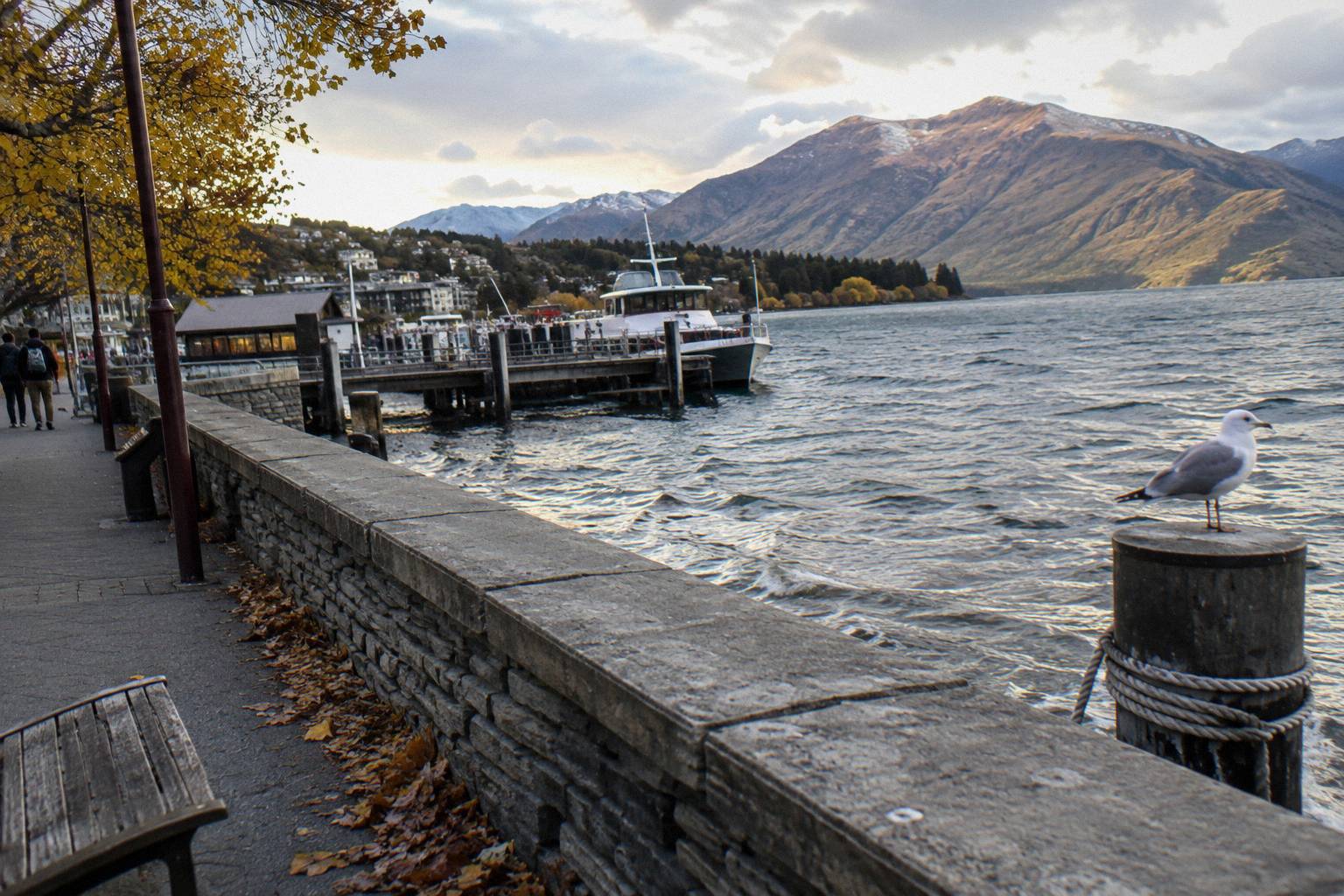
Steamer Wharf at 88 Beach Street hosts the Thunder Jet kiosk and the RealNZ Visitor Centre at the same address, which means the two other waterfront booking points sit side by side away from the pier. Thunder Jet's regional tourism page lists hours of 8:30am to 5pm daily all year and closed on Christmas Day. The Thunder Jet 30-Minute ride costs from NZ$119 per person; the 1-hour version costs from NZ$159.
The two Thunder Jet rides are two lengths of one product family from one operator at one base, not rivals: the 30-minute ride, rated 4.7 from 27 reviews, and the 1-hour ride, whose newer booking page worth printing. Both take riders aged 2 and over with infants on laps, both include commentary, local stories of the river and full 360 degree spins, and both ride on Lake Wakatipu and the Kawarau River. If the choice between the two lengths is the live question, the Thunder Jet rides and how to choose guide works it through in detail.
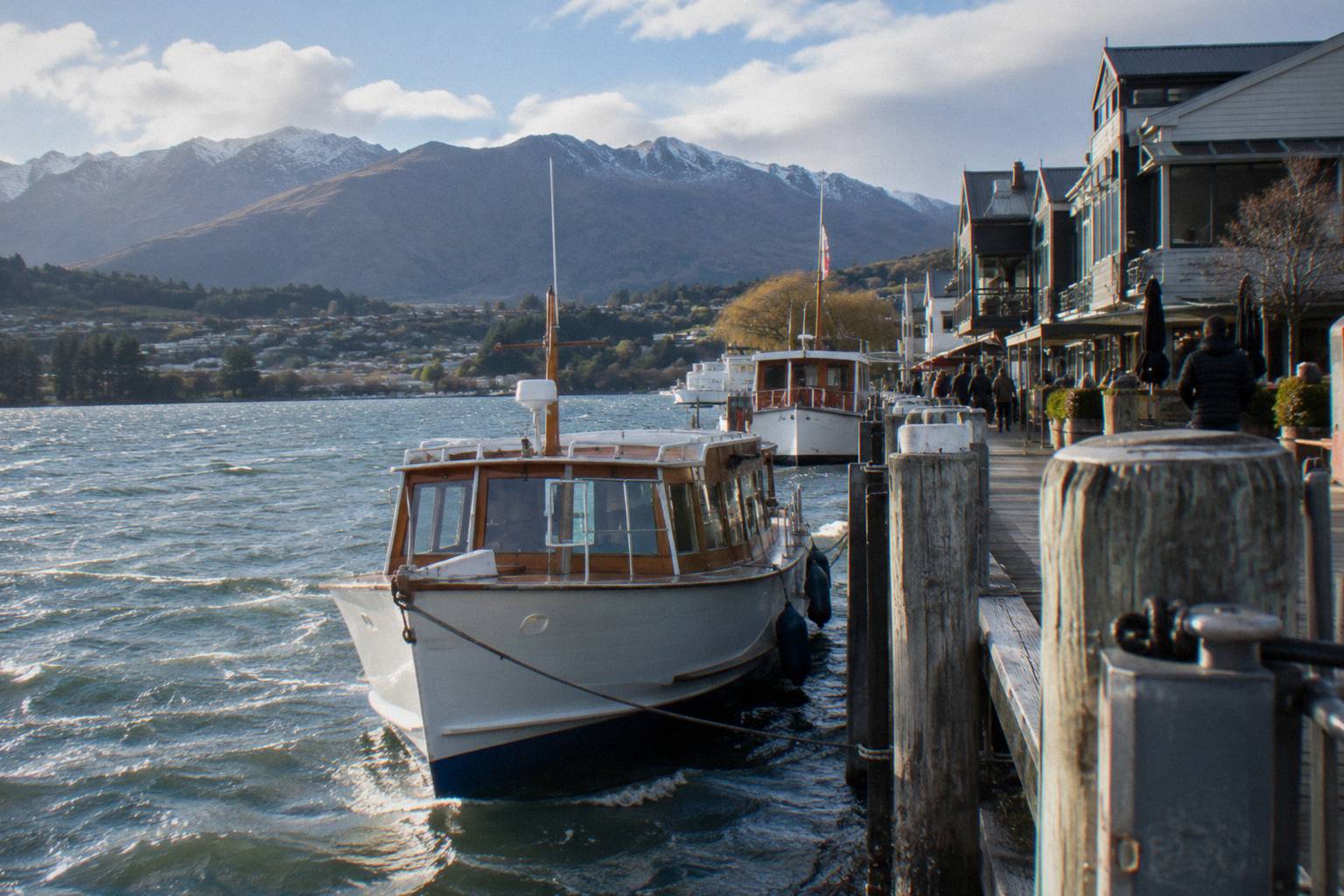
For a waterfront day, the wharf's role is mostly before and after the KJet hour. Walk it in a spare block, book or check in for a Thunder Jet ride there if a second, shorter ride is on the family's list, or use it as the RealNZ meeting point if someone in your group is doing the raft trip. Walking times between the pier and the wharf are not published, so plan by order of places rather than by minutes.
The 30-minute Thunder Jet ride is the natural second ride for a family day: it is the cheapest printable option on the waterfront, from NZ$119 per person, it is short enough to slot beside other plans, and its spins are listed on the booking page. With the KJet hour plus a Thunder Jet half-hour, a two-ride day on the bay is entirely buildable from the two bases.
What Can An Afternoon Around The Last Departures Hold?
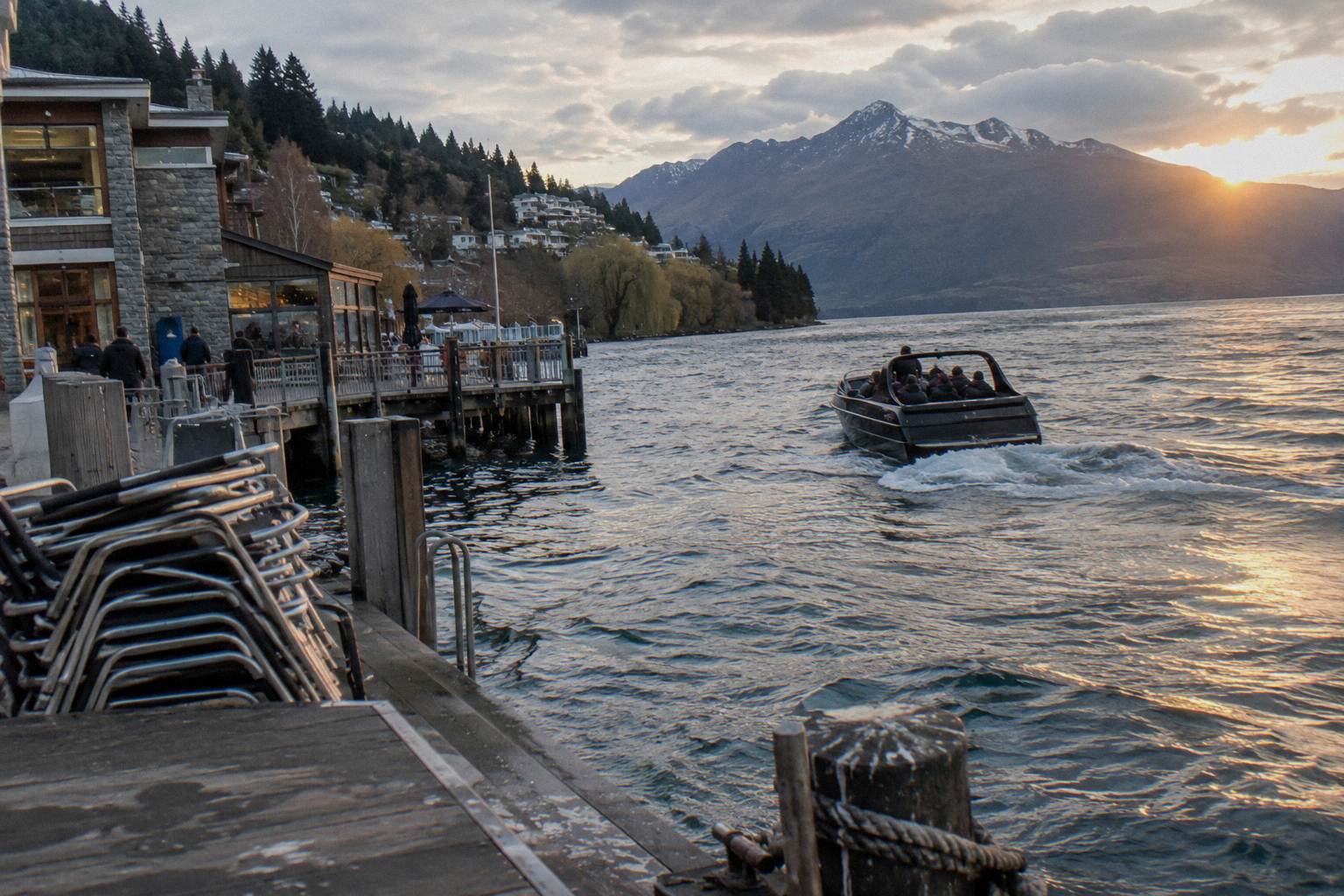
The last KJet departure of the day, per the operator, is 6pm, and the Thunder Jet kiosk closes at 5pm per the regional tourism page, so a late-afternoon plan runs on a narrower window than a morning one. A 5pm or 6pm KJet hour returns you to the pier at 6pm or 7pm respectively, at the end of the waterfront's operating day rather than the middle of it.
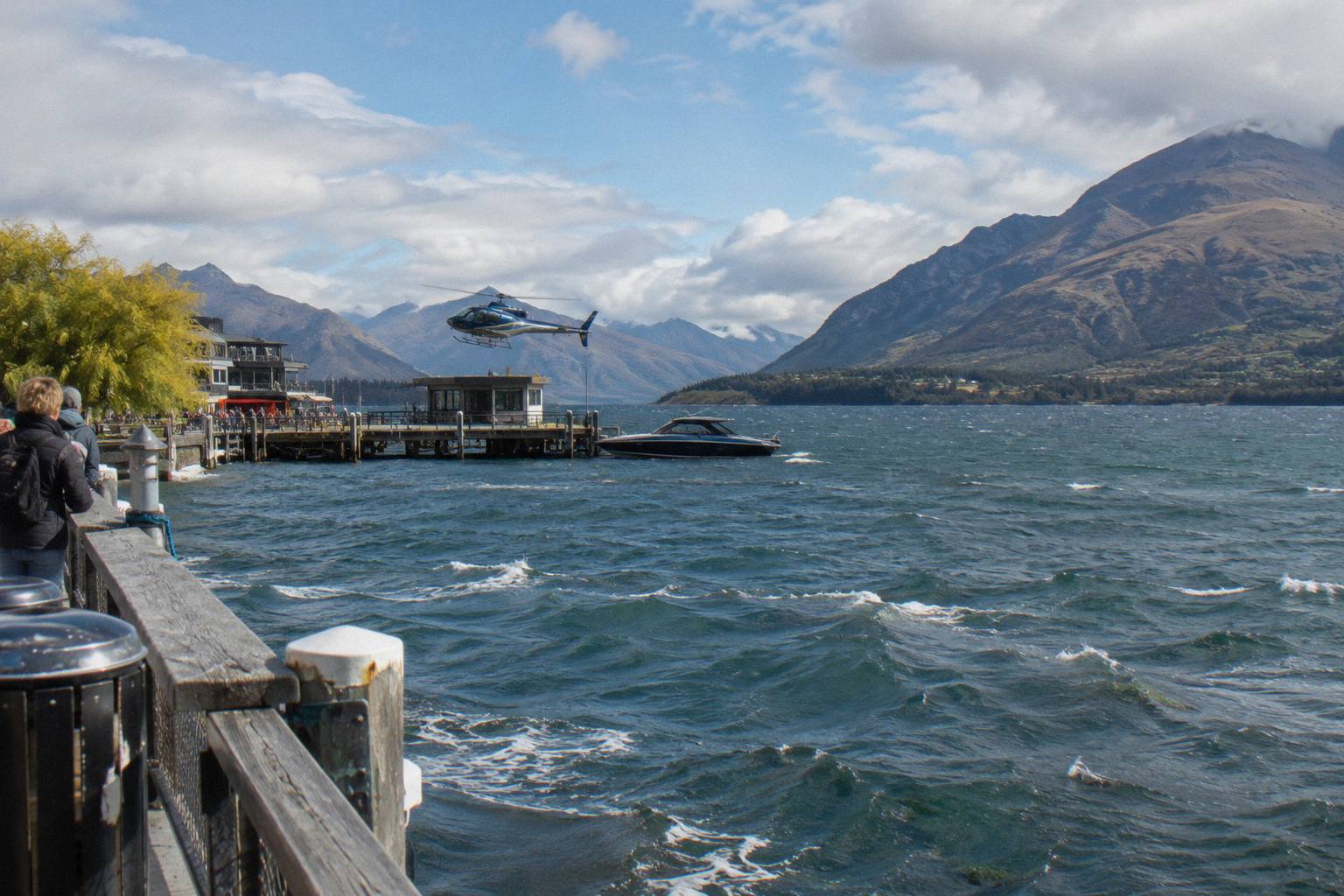
The late hours suit a different kind of day: one where the waterfront comes first and the ride caps it. The morning blocks fill with the wharf, the beach strip and the pier area, and the ride becomes the finale rather than the opener. In summer this works especially well on paper, because NIWA records at Queenstown Airport show mean daily daylight of 15.6 hours in December, so a 6pm departure still rides in full daylight. In July the same records show 9.2 hours of mean daily daylight, which puts a 6pm ride firmly after dark; the winter-jet-boating trade-offs are covered in the winter jet boating on the Kawarau guide.
One caution that applies to any hour but bites hardest late in the day: KJet may cancel or amend trips for weather or unforeseen circumstances, offering a rebook or a full refund when it does. If the ride is the capstone of your day, keep the when weather cancels a KJet ride logic in mind and have a loose plan B for the block after it.
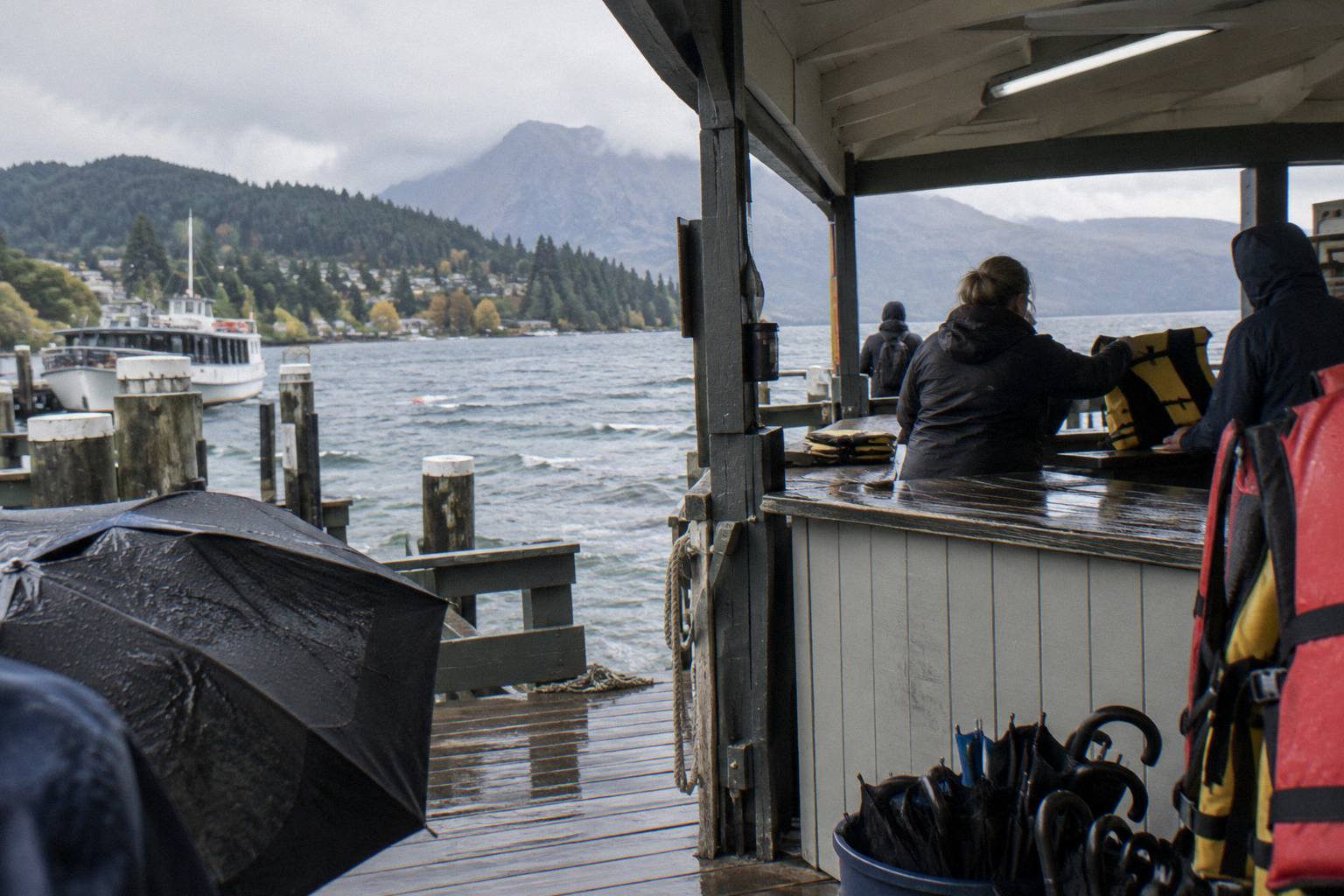
A late-day plan also changes what the hour after the ride can be. After a morning departure you step off into a full open waterfront; after the last departure the kiosk at the wharf has already closed, the observatory is at the end of its day, and the plan is effectively over. That is not an argument against the 6pm boat, it is simply what the stated hours add up to: book the last hour when you want the ride to be the last thing, not the hinge of the evening.
How Do Daylight And Seasons Affect A Waterfront Day?
NIWA records at Queenstown Airport show mean daily maxima of 22.0 °C in January and 8.2 °C in July, with mean daily daylight ranging from 15.6 hours in December to 9.2 hours in July, and yearly rainfall of 721 mm spread over 96 rainy days. In practical terms, summer supports a long open-ended day around the ride, while winter compresses the same plan into fewer daylight hours.
The table below is the planning version of those records. It is not a forecast and it names no best month; it simply shows what a typical month looks like at the station nearest the waterfront.
| Month | Mean daily max (C) | Mean daily min (C) | Sunshine hours |
|---|---|---|---|
| January | 22.0 | 9.9 | 236.9 |
| April | 15.2 | 4.5 | 136.2 |
| July | 8.2 | -1.4 | 85.2 |
| October | 15.4 | 4.4 | 197.0 |
These are station normals, not river conditions, and no water temperature or flow figure is published for the ride. What the numbers do tell you is how much waterfront day you have to work with: a January plan can put a 6pm ride in daylight with hours to spare on either side, while a July plan of the same shape needs the ride earlier to sit in daylight at all. Rain, at 721 mm a year over 96 rainy days of at least 1 mm, is a background fact rather than a planning barrier, since the ride runs in rain subject to the operator's weather calls.
The shoulder months deserve a word too, because they are where the daylight arithmetic gets interesting rather than simply long or short. April and October sit close together in the table, with mean daily maxima of 15.2 °C and 15.4 °C, but their sunshine totals differ by more than sixty hours in favour of October. If your waterfront day leans on light for the blocks after the ride, that gap matters more than the temperature line, and it comes straight from the same station records.
How Do You Sequence A Split Group On The Waterfront?
When not everyone wants the same thing, the waterfront's layout does the work: the pier, the wharf and the Beach Street meeting points are on one continuous stretch, and the formats range from 30 minutes to 4 hours 30 minutes. Riders and non-riders can split and rejoin inside a single block of hours. The RealNZ Kawarau Rafting And Jet Boat Trip, from NZ$329 per person and rated 4.9 from 184 reviews, is the half-day outlier.
The RealNZ trip is 4 hours 30 minutes in total, meets at the RealNZ Visitor Centre at 88 Beach Street, and includes a round-trip transfer between Queenstown and the raft base plus a jet boat leg of about 25 minutes to the rafting put-in. It is for ages 13 and over, 13 to 15 with a guardian, with a weight range of 40 kg to 120 kg. Its jet boat leg is the transfer of a raft-led trip, not a standalone ride, which is exactly why it changes the shape of a family day: whoever books it is gone for the better part of the day, while the rest of the group can run the pier-and-wharf plan on the hourly pattern.
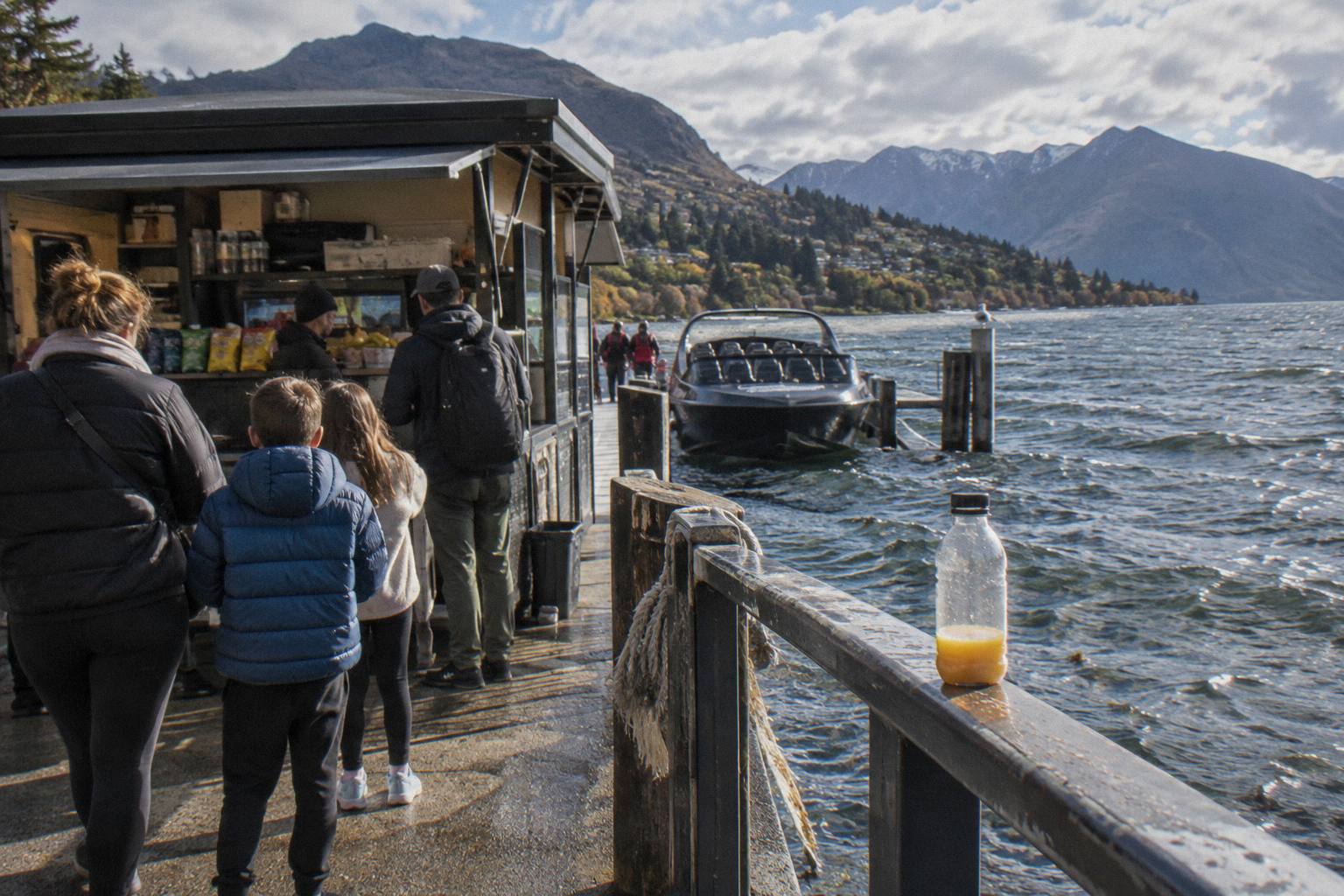
A clean split day looks like this: the rafters head to 88 Beach Street for the RealNZ trip in the morning; the rest of the group takes a KJet hour from the Main Town Pier and spends the middle of the day around the wharf; and everyone converges on the waterfront in the later afternoon, with a final Thunder Jet half-hour still possible from the kiosk before its 5pm closing time. No walking time between the points is published, so build the plan by order, not by minutes.
The same logic works in reverse for mixed enthusiasm levels. A nervous rider can take the 30-minute Thunder Jet ride while a keener one takes the KJet hour, and because both bases are on the same waterfront stretch, the group regathers without logistics. That comparison, framed ride against ride rather than operator against operator, is worked through in the KJet vs Thunder Jet guide.
There is also a quiet timing detail in the raft trip's own structure. Its jet boat leg is the roughly 25-minute run to the rafting put-in, so a rafter does get a jet boat ride inside the 4 hours 30 minutes, just not the pier-based hour the rest of the family is having. That makes the split less lopsided than it looks on paper: both halves of the group end the day having been on the water, on the same river system, having booked from the same street address.
The Thunder Jet 1-Hour Ride, from NZ$159 per person, is the format match for the KJet hour on the days when one hour-long ride is already spoken for: same length, same price point, same base at Steamer Wharf, and the same listed full 360 degree spins and commentary. Its booking page is newer yet.
What Should You Carry For A Day On The Waterfront?
For the ride itself you need a waterproof jacket, since KJet does not provide spray jackets, closed shoes, and a place to store your phone and camera, which must be stowed while the boat is moving; hands-free mounted action cameras only, and no selfie sticks. Life jackets are supplied. Everything else on the waterfront day is ordinary town gear, so pack light and layer.
Winter adds sunglasses or goggles, sunscreen, a hat and gloves per the operator's advice, and the boats have heated handrails for the cold months. The table below compresses the carry list against the blocks of the day.
| Block of the day | Carry | Why |
|---|---|---|
| Check-in at the pier | Booking confirmation, jacket | Check-in and briefing happen at the Main Town Pier |
| On the water | Nothing loose in hands | Phones and cameras stowed while moving, operator rule |
| After the ride | Dry layer, water | Spray jackets are not provided at KJet |
| Wharf and beach strip | Usual town kit | The rest of the day is a normal waterfront walk |
One note on the phone rule, because it shapes the whole day's packing rather than just the ride. If your camera or phone must be stowed while the boat moves, the photos you actually want from the hour on the water are either bought separately, since photos and videos are sold separately on the KJet booking page, or taken from the pier before and after. The surrounding waterfront, the pier, the wharf and the lake edge, is where the day's photographic record gets made, which is one more reason to give those blocks real time instead of treating them as transit.
A Checklist For The Whole Day
The plan in one line: pick your KJet hour, arrive before it, ride the hour, then spend the remaining blocks between the pier, Time Tripper and Steamer Wharf, adding a Thunder Jet half-hour or the RealNZ half-day as your group's appetite dictates. Every element above is built from the stated durations and the hourly departure pattern, nothing else.
| Step | Decision | Fact it rests on |
|---|---|---|
| 1 | Choose a departure hour | KJet leaves hourly on the hour, 10am to 6pm |
| 2 | Confirm ages in your group | Riders 2 and over; child fare 5 to 14 per KJet |
| 3 | Pack the jacket | Spray jackets not provided at KJet |
| 4 | Slot Time Tripper before or after | It shares the Main Town Pier |
| 5 | Add a second ride if wanted | Thunder Jet 30 minutes from NZ$119, from Steamer Wharf |
| 6 | Place the raft trip if anyone books it | RealNZ trip runs 4 hours 30 minutes from 88 Beach Street |
If the ride itself is still the open question rather than the day around it, the is a KJet ride worth it post addresses that directly, and Kawarau River Jet Boats holds the fuller comparison set across rides, rivers and formats. Cancellation is free up to 24 hours before departure on the booking page for all five tours covered here, which keeps even a tightly sequenced day reversible.
Common Questions About A Queenstown Waterfront Day
How Often Do KJet Boats Leave The Main Town Pier?
KJet says boats leave every hour on the hour from 10am to 6pm, 365 days a year, weather permitting. The regional tourism page lists office hours of 9am to 7pm and says the operator runs on Christmas Day from 10am.
Where Do The Jet Boat Rides On The Waterfront Leave From?
KJet leaves from the Main Town Pier on Marine Parade in Queenstown Bay. Thunder Jet's kiosk is on Steamer Wharf at 88 Beach Street, and the RealNZ Visitor Centre is at the same Beach Street address.
Can You Do Two Jet Boat Rides In One Waterfront Day?
Yes. The KJet hour from the pier and the Thunder Jet 30-minute ride from Steamer Wharf both run off the same waterfront, and the shorter ride costs from NZ$119 per person. The Thunder Jet kiosk's listed hours are 8:30am to 5pm daily.
What Else Is At The Main Town Pier?
The Time Tripper underwater observatory sits at the Main Town Pier. It is a short show plus a viewing period, not a jet ride, and it is not wheelchair accessible because of two flights of stairs.
Do You Need A Jacket For A KJet Ride?
Yes. KJet does not provide spray jackets, so bring a waterproof jacket or buy an eco-poncho at the base. Life jackets are supplied.
When Is The Last KJet Departure Of The Day?
KJet says the last boat leaves at 6pm, weather permitting. In winter, with mean daily daylight of 9.2 hours in July per NIWA records at Queenstown Airport, a late departure rides after dark.